The SATS Method: How to Use the State Akin to Sleep
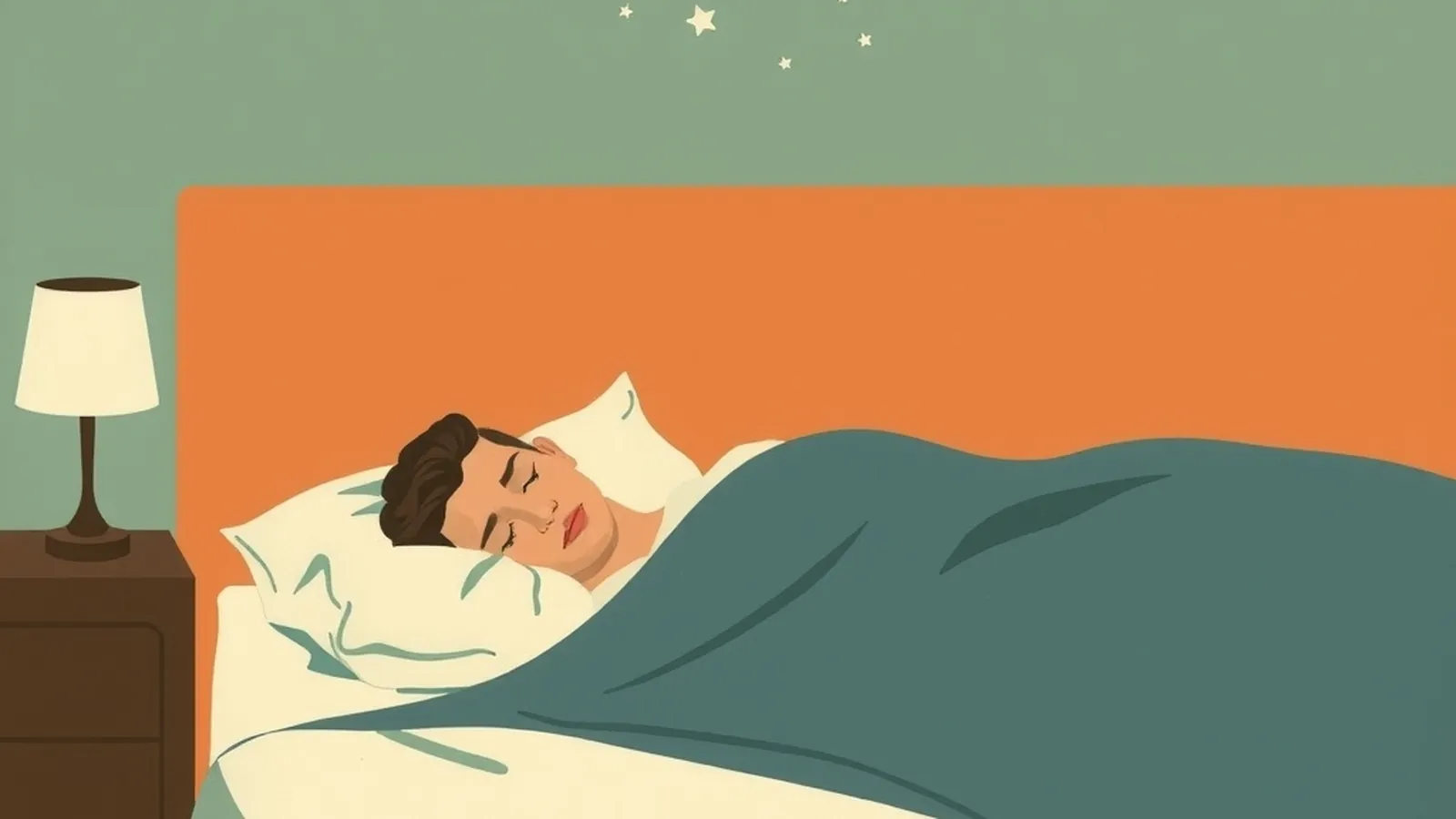
The SATS method is a bedtime visualization practice from Neville Goddard. SATS stands for "state akin to sleep," the drowsy, relaxed state just before you fall asleep. In that state, you replay a short, simple scene that implies your wish has already come true, looping it until you drift off.
It's the most restful entry in our guide to manifestation methods, and it's built on the same ideas as Neville's broader teaching.
Where it comes from
Neville Goddard (1905-1972) was a Barbados-born author and lecturer whose book "Feeling Is the Secret" (1944) is still widely read. He taught that the drowsy state near sleep is when the mind is most receptive, and he described lying down, relaxing and imagining a small scene "as though" the wish were fulfilled.
The short form "SATS" came from his phrase "a state akin to sleep." The acronym itself was popularized by online communities and TikTok creators who study his lectures, which is why you'll see it described in slightly different ways.
In Neville's teaching, the drowsy state is spiritually significant. Today, it's best treated as a belief. There's no scientific evidence that imagining a scene before sleep makes the scene happen.
How to do the SATS method
- Pick one desire for tonight. Just one. Changing goals every night scatters your focus.
- Design a scene that implies it's done. Neville suggested a moment that would naturally happen after the goal is reached, like being congratulated. Keep it to two to five seconds.
- Make it first person. See it through your own eyes, not as if watching a movie of yourself.
- Get comfortable and relax your body. Lie down, slow your breathing and let your muscles soften. A short body scan works well here.
- Loop the scene. Replay it gently, over and over, adding a little sensory detail: a sound, a touch, a phrase someone says.
- Let yourself drift off. If you fall asleep mid-loop, that's how many people end the practice.
- In the morning, take one step. Write down one small action toward the goal and do it that day.
A worked example
Say you play the fiddle and have wanted to play your first set at a local folk night for over a year. You keep practicing at home, but you haven't signed up.
You design a tiny scene: you've just stepped off the small stage, your case is open on a chair, and the host shakes your hand and says, "Great set. Come back next month." You feel the handshake, hear the chatter of the room and feel the relief of having done it.
Each night you lie down, take a few slow breaths, relax from your feet up, and loop that five-second moment until you fall asleep. In the morning you write one action: "Email the host about open slots." A week later, the action is "Play my three tunes for a friend." The week after, "Sign up."
The scene didn't book the gig. But it gave you a calm, repeatable picture of success to fall asleep with, instead of a picture of freezing up, and the morning steps moved you to the stage.
Common mistakes
- Scenes that are too long. A full movie of your dream life is hard to loop and easy to lose. One short moment is enough.
- Watching yourself from outside. Neville emphasized being in the scene. Third-person scenes can feel distant.
- Trying too hard. Straining to "feel it" works against relaxation. Gentle repetition is the point.
- Using SATS to change someone's mind. Imagining a specific person choosing you doesn't respect their freedom to choose. Keep scenes about your own life and actions.
- Losing sleep over it. If the practice keeps you up, worried you're "doing it wrong," shorten it or move it to a daytime rest.
Does SATS work?
There's no scientific evidence that the SATS method causes outcomes. Neville's view that the near-sleep state shapes reality is a spiritual belief.
The possible benefits are quieter. Ending the day with a short, relaxing, hopeful image can replace worried rumination for some people, and repeated mental rehearsal may help you feel more familiar with a goal and more ready to act on it. Those benefits come from relaxation and focus, not from the scene itself. Pair it with the morning step every time.
If you live with insomnia, anxiety or depression, please talk to a doctor or qualified mental health professional. A bedtime visualization can be a gentle habit, but it isn't treatment.
Who it suits
SATS suits people who already have a bedtime routine, who find visualization easy, or who want a low-effort practice that fits into the end of the day. It's less suited to anyone who struggles to fall asleep and tends to overthink at night, since adding a "task" at bedtime can make that worse.
Related methods
- The law of assumption is the wider teaching behind SATS, so read it to understand why the scene focuses on the feeling of the wish fulfilled.
- The pillow method is a simpler bedtime ritual, writing your goal and sleeping on it, that suits people who prefer words to images.
- The 17-second method is a short daytime focusing practice, useful if you'd rather not practice at bedtime at all.
To relax well enough for SATS, try our step-by-step body scan meditation before you start looping your scene. And for the bigger picture, see the beginner's guide to manifestation.
Want a structured program to go deeper?
Reading is a start. Some people do better with a guided course they can follow day by day. This button opens a manifestation or meditation program from one of our advertising partners.
See the partner program →We may be paid when you click. The program shown can change. Read its terms before you buy anything. How this works
Frequently asked questions
What does SATS stand for?
SATS stands for "state akin to sleep," a phrase from Neville Goddard's teaching. It describes the drowsy, relaxed state just before falling asleep, when practitioners replay a short scene that implies their wish is fulfilled.
What if I fall asleep during SATS?
That's fine and, in Neville's teaching, even expected. Many people practice it as the last thing they do before sleep. If you want to stay awake longer, try sitting up slightly.
Can I do SATS during the day?
Yes. Any time you can relax deeply, such as a short rest in the afternoon, can work. Just don't practice while driving or doing anything that needs your full attention.