Vipassana Meditation: Insight Practice for Beginners
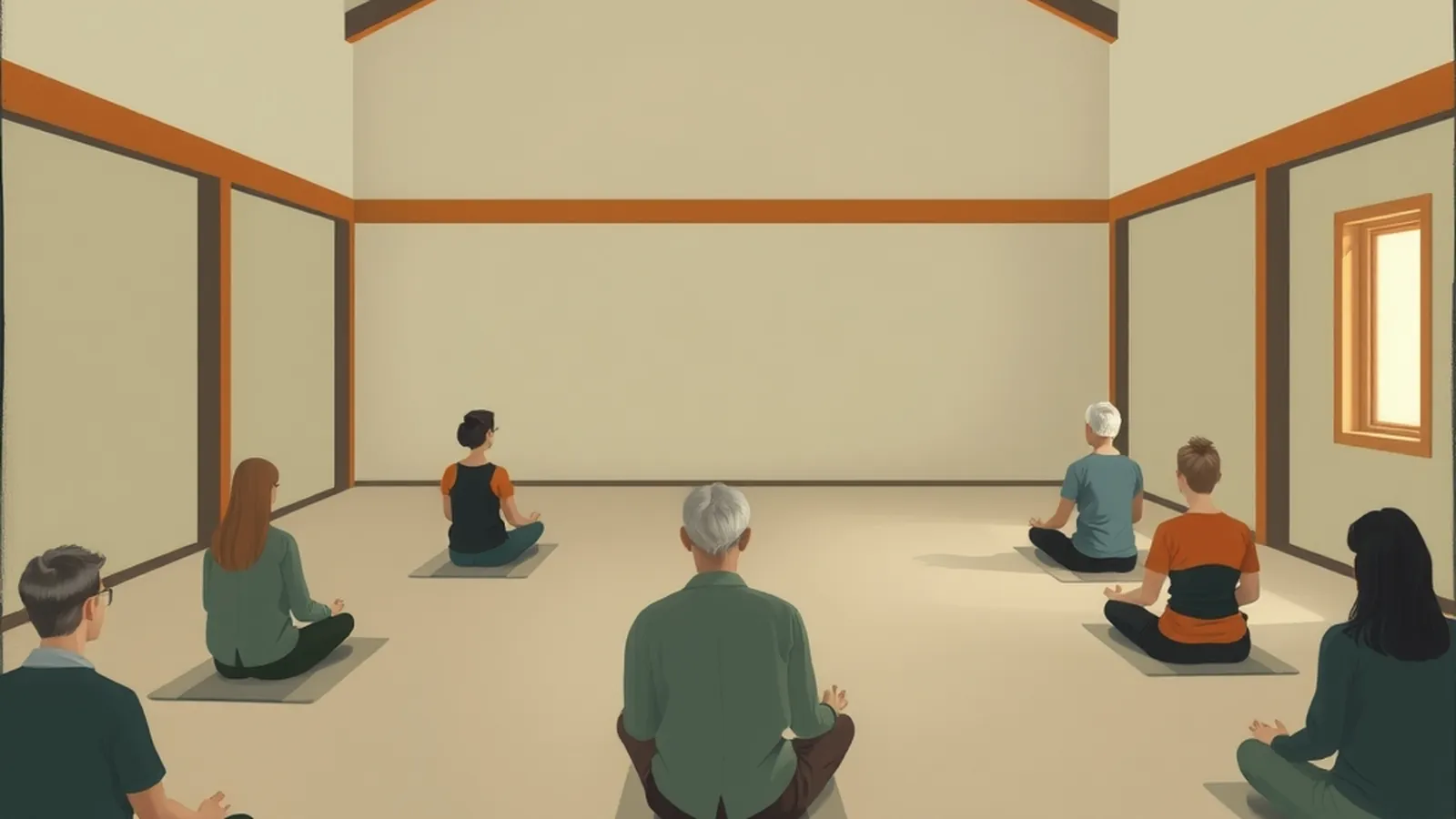
Vipassana meditation is the insight practice of Theravada Buddhism. You first steady your attention, often on the breath, then use that steadiness to watch sensations, thoughts and feelings closely as they arise and pass. The aim, in the tradition, is to see clearly how experience actually works, especially that it is always changing.
Vipassana is one of the styles in our guide to types of meditation. Below you'll find its background, what a silent course involves, and a short practice you can try at home.
Where vipassana comes from
Vipassana is a Pali word, usually translated as "insight" or "seeing clearly." Pali is the language of the early Buddhist texts preserved in the Theravada tradition, which is practiced widely in Sri Lanka, Myanmar, Thailand, Cambodia and Laos.
In Theravada teaching, insight meditation is often paired with samatha, or calm-abiding meditation. Calm steadies the mind; insight looks closely at what the steady mind sees. Practitioners pay particular attention to three qualities the tradition describes in all experience: impermanence, unsatisfactoriness and non-self.
In the 20th century, teachers in Myanmar helped bring intensive insight practice to lay people, not just monks. Two approaches are especially well known today:
- The noting approach, associated with the Burmese teacher Mahasi Sayadaw, uses soft mental labels such as "rising, falling" for the belly's movement, or "thinking" and "hearing" when the mind moves elsewhere.
- The body-sweeping approach taught by S.N. Goenka moves attention systematically through the body, observing sensations without reacting to them. Goenka's 10-day silent residential courses are now held in many countries and are offered on a donation basis.
What a 10-day course involves
For many people, "vipassana" means a 10-day silent retreat. In the Goenka tradition, students generally:
- Keep "noble silence," with no talking, reading, writing or phones for most of the course
- Follow a full daily timetable that begins early in the morning and includes many hours of sitting
- Spend the first days on breath awareness at the nostrils before learning the body-scanning technique
- Hear recorded evening talks explaining the practice
- Agree to stay for the whole course
It's a serious commitment. Some people find it deeply meaningful; others find it far harder than expected. Neither reaction means you did it wrong. If you're unsure, it's reasonable to build a home practice first.
How to practice vipassana at home: step by step
This is a simple introduction, not a substitute for a course or teacher.
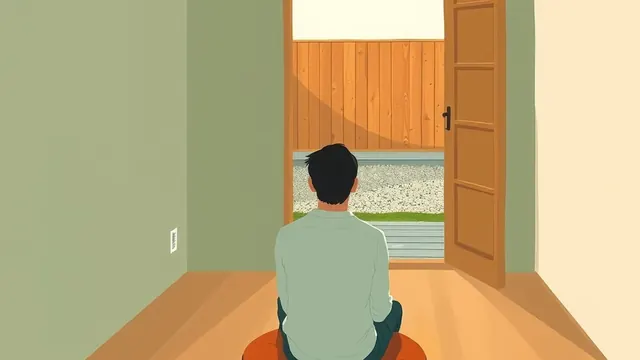
- Sit comfortably and upright. A cushion or chair is fine. Close your eyes or lower your gaze.
- Set a timer for 15 to 20 minutes.
- Steady attention on the breath. For the first few minutes, feel the breath where it's most noticeable, at the nostrils or the belly. Don't control it; just observe.
- Widen to sensations. When you feel a little settled, let attention move to whatever is most noticeable in the body: pressure, warmth, tingling, an itch.
- Note it softly (optional). Silently label what you notice in one word: "pressure," "warm," "itching," "thinking." Keep labels light, about 10 percent of your attention.
- Watch it change. Stay with the sensation and notice how it shifts, grows, fades or moves. This is the heart of insight practice.
- Don't react. If something is pleasant, notice without grasping. If unpleasant, notice without pushing away. Adjust your posture if pain is sharp.
- Return to the breath whenever you feel scattered, then widen again.
- Close slowly. Open your eyes, notice the room and take a breath before moving on.
If you'd like a more structured way to move through the body, our guide to the body scan teaches a secular version of the same systematic attention.
Related styles
Mindfulness meditation draws heavily on vipassana teachings and is often the easiest bridge into this practice. Zen meditation comes from the Mahayana branch of Buddhism and makes a helpful comparison, since it tends to emphasize "just sitting" rather than investigating each sensation. And the body scan is the closest everyday cousin to Goenka-style body sweeping.
Who vipassana suits
Vipassana tends to suit people who:
- Are curious about how their mind works, not just about relaxing
- Like a clear method with a long history behind it
- Can tolerate some discomfort, boredom and restlessness
- Are interested in Buddhist teaching, or open to hearing it
It may be less suited to you right now if you're going through acute grief, crisis or trauma symptoms. Close attention to inner experience can sometimes stir up difficult material. In that case, a gentler practice like guided meditation and support from a licensed therapist may be a better first step.
Common difficulties
"I keep getting caught in stories." Label it "thinking," return to the breath, then widen again. Getting caught and returning is part of the practice.
"Strong emotions come up." This happens. Feel your feet and hands, open your eyes, and return to the breath. You can stop a session at any time. If feelings stay overwhelming, talk to a licensed therapist.
"The body pain is intense." Short-term discomfort from sitting is common, but you don't have to endure sharp pain. Change position, use a chair, or try walking practice for a while.
"Noting feels robotic." Drop the labels and simply observe. Noting is a tool, not a requirement.
What research says
Research on insight and mindfulness-based practices is active. Some studies suggest that meditation of this kind may help people relate to stress differently, but results vary from person to person, and vipassana is not a treatment for any physical or mental health condition. Intensive retreats in particular can be demanding. If you have a history of depression, anxiety, psychosis or trauma, talk to a doctor or licensed mental health professional before attending one.
Insight and inner work
Many people find that watching their reactions without judgment shows them patterns they hadn't noticed before. If that leads you toward exploring difficult emotions more deliberately, our guide to shadow work offers a gentle framework, and a licensed therapist is the right support if things feel overwhelming.
For more beginner-friendly styles and basics, visit our meditation guide.
Want a structured program to go deeper?
Reading is a start. Some people do better with a guided course they can follow day by day. This button opens a manifestation or meditation program from one of our advertising partners.
See the partner program →We may be paid when you click. The program shown can change. Read its terms before you buy anything. How this works
Frequently asked questions
What does vipassana mean?
Vipassana is a Pali word usually translated as "insight" or "seeing clearly." In Theravada Buddhism it refers to meditation aimed at directly observing how experience arises and changes.
Are 10-day vipassana courses really free?
Courses in the tradition of S.N. Goenka are offered on a donation basis, with no set fee for teaching, food or lodging. Donations are voluntary.
Is a 10-day silent retreat safe for everyone?
Intensive retreats can be demanding, physically and emotionally. If you have a history of mental health concerns or trauma, talk to a doctor or licensed therapist before applying, and be honest on any application form.