Zen Meditation: A Beginner's Guide to Zazen
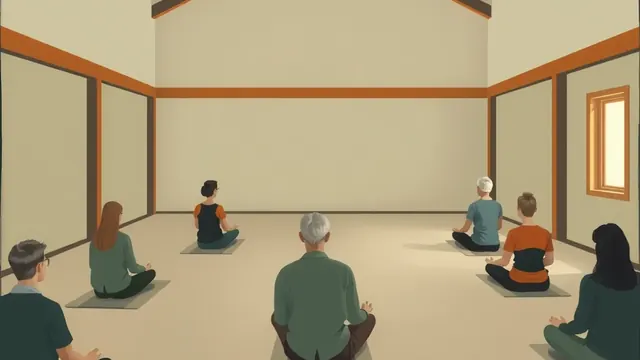
Zen meditation, called zazen, is the seated meditation at the heart of Zen Buddhism. You sit upright and still, usually with your eyes half open, and either count your breaths, simply sit with whatever arises, or work with a teaching question called a koan. It looks simple, and in a way it is: Zen puts the emphasis on sitting itself rather than on reaching a special state.
Zen is one of many styles covered in our guide to types of meditation. This page explains where zazen comes from, how to sit, and what tends to get in the way.
Where Zen meditation comes from
Zen is a school of Mahayana Buddhism. It developed in China, where it was called Chan, and later spread to Korea, Vietnam and Japan. The word zazen is Japanese and roughly means "seated meditation."
Two Japanese schools are best known in the West:
- Soto Zen emphasizes shikantaza, often translated as "just sitting." You don't focus on a particular object. You sit with full attention and let thoughts come and go. The monk Dogen brought Soto Zen to Japan from China in the 13th century, and his writings are still central to the school.
- Rinzai Zen is known for koans, short questions or stories that can't be solved by ordinary reasoning. Students sit with a koan and meet privately with a teacher to discuss their practice.
Both schools also practice breath counting, especially for beginners, and both alternate sitting with slow walking meditation called kinhin.
Zen is a living religious tradition with temples, teachers and lineages. You can learn the basic posture at home, but if the practice draws you in, sitting with an established group is the traditional way to go deeper.
How Zen differs from other styles
Zazen shares a lot with other meditation styles but has its own flavor.
| Feature | Zen (zazen) | Many other styles |
|---|---|---|
| Eyes | Usually half open, gaze lowered | Often closed |
| Posture | Upright and still, with set forms | More flexible |
| Goal | Sitting itself, not a result | Often relaxation or insight |
| Guidance | Little talking during sitting | Often guided by voice |
The emphasis on posture is real. In Zen, how you sit is treated as part of the practice, not just a way to get comfortable.
How to practice zazen: step by step
- Choose your seat. A firm cushion on the floor, a meditation bench or a chair all work. On a chair, sit forward with your feet flat and your back away from the backrest.
- Set your posture. If on a cushion, cross your legs in whatever position is comfortable, with both knees touching the floor if you can. Lengthen your spine as if a string were lifting the crown of your head. Tuck your chin slightly.
- Place your hands. A common Zen hand position rests your left hand on top of your right, palms up, with your thumb tips lightly touching to form an oval. Rest your hands against your lower belly.
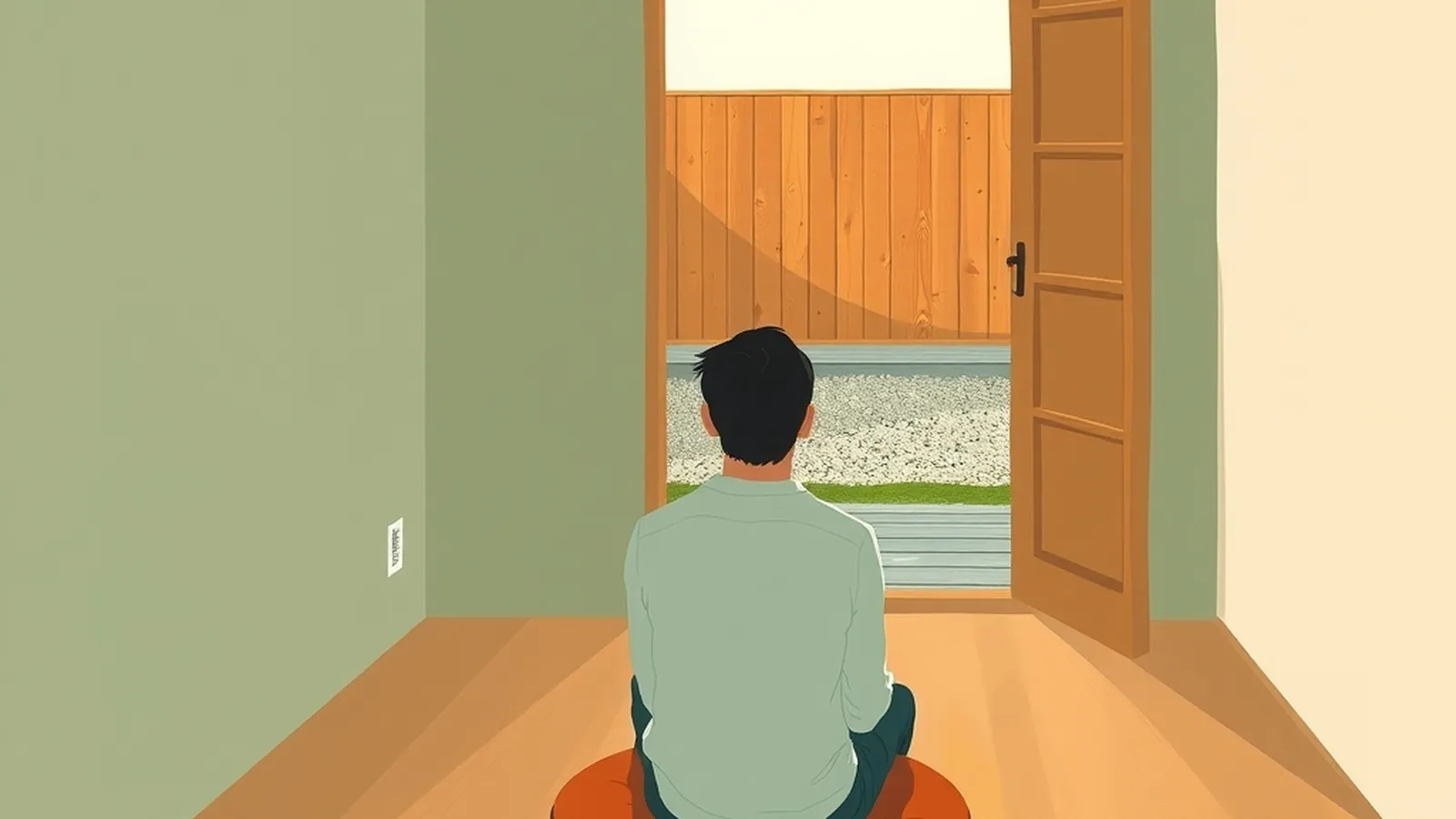
- Lower your gaze. Keep your eyes half open and let your gaze rest on the floor a few feet in front of you, unfocused. In Soto practice, people traditionally sit facing a wall.
- Settle the body. Sway gently side to side a few times, then come to stillness in the center. Take a few deep breaths, then let your breathing return to normal.
- Count your breaths. Silently count "one" on the out-breath, "two" on the next, up to ten. Then start again at one. If you lose count or find yourself at 23, just return to one without comment.
- Or just sit. Once counting feels steady, you can try shikantaza: drop the counting and sit with open awareness, noticing thoughts without following them.
- Close with care. When your timer sounds, sway gently again, stretch your legs slowly, and stand up carefully if your feet have fallen asleep.
Start with 10 to 15 minutes. Our guide on how long to meditate can help you build from there.
Who Zen meditation suits
Zazen tends to suit people who:
- Like structure, ritual and clear physical form
- Prefer silence to a guiding voice
- Are curious about Buddhist philosophy, or don't mind its presence
- Want a practice that doesn't promise a particular feeling
It may not suit everyone. If you want gentle relaxation or a voice to follow, a style like guided meditation or a body scan may feel friendlier. If you have knee, hip or back problems, sit in a chair; there's nothing lesser about it.
Related styles worth knowing
Vipassana meditation comes from a different branch of Buddhism, Theravada, and offers a useful contrast because it teaches investigating sensations rather than "just sitting." Mindfulness meditation borrows from Buddhist roots too, and is a good secular starting point if Zen forms feel like too much at first. And because Zen alternates sitting with kinhin, our guide to walking meditation is a natural companion practice.
Common difficulties
"My legs hurt or go numb." Very common. Raise your cushion, try a bench, or use a chair. Shift your position mindfully if pain becomes sharp. Discomfort is not a test you need to pass.
"I can't get past three when counting." That's normal. The returning is the practice. Each time you start over at one, you're doing zazen.
"Sitting with eyes open is distracting." Lower your gaze further and soften your focus. A plain wall in front of you helps.
"Nothing is happening." In Zen, that's not a failure. The tradition is wary of chasing special experiences. If unusual experiences do come up, teachers generally advise noticing them and returning to the posture and breath.
"I don't understand koans." You don't need to. Koan practice is traditionally done with a teacher, and breath counting or just sitting is a complete practice on its own.
What research says
Research on meditation, including Zen practice, is active. Some studies suggest that regular meditation may support attention and help people feel less stressed, but findings vary and zazen is not a treatment for any health condition. Long sits can strain joints, so adjust your posture to protect your body. If you're dealing with anxiety, depression or trauma, talk to a doctor or qualified mental health professional, and consider sharing that with a teacher before joining long retreats.
Bringing Zen into daily life
Zen teachers often say practice doesn't end when you stand up. Washing dishes, walking or eating can all be done with the same full attention. Some people find that steady sitting raises big questions about meaning and identity; if that's happening for you, our guide to signs of spiritual awakening offers a grounded look at those experiences.
For a broad introduction to sitting practice, start with our meditation for beginners guide.
Want a structured program to go deeper?
Reading is a start. Some people do better with a guided course they can follow day by day. This button opens a manifestation or meditation program from one of our advertising partners.
See the partner program →We may be paid when you click. The program shown can change. Read its terms before you buy anything. How this works
Frequently asked questions
What is the difference between Zen meditation and mindfulness?
Zen meditation, or zazen, is a practice within Zen Buddhism with its own posture, forms and teachers. Mindfulness is a broader term, and many modern mindfulness courses are secular.
Do you have to be Buddhist to practice zazen?
No. Many Zen centers welcome people of any faith or none. It's still respectful to learn the basic forms and etiquette when you visit a temple or group.
How long should a beginner sit in zazen?
Start with 10 to 15 minutes. Traditional periods are often longer, but steady daily practice matters more than long sessions at first.