Types of Meditation: 15 Styles Compared
There are many types of meditation, but most fall into a few families: watching the present moment (like mindfulness or vipassana), focusing on one object (like a mantra or the breath), cultivating a feeling (like loving-kindness), working with images or deep rest (like visualization or yoga nidra), and moving gently (like walking meditation). No style is "best." The right one is the one that fits your temperament and that you'll actually practice.
This page compares 15 styles side by side so you can choose a starting point. If you're brand new, our meditation for beginners guide covers posture, timing and what to do when your mind wanders.
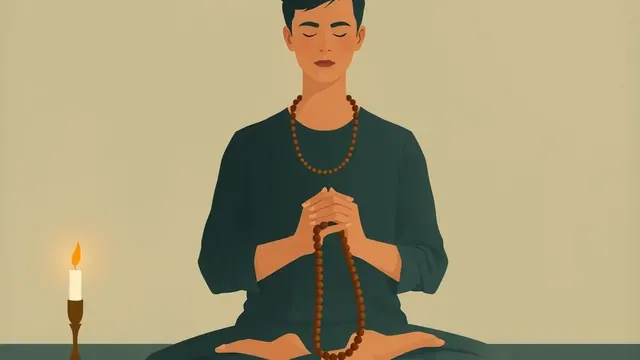
 Mindfulness MeditationPaying attention to the present moment, on purpose and without judgment, in sitting practice and daily life.
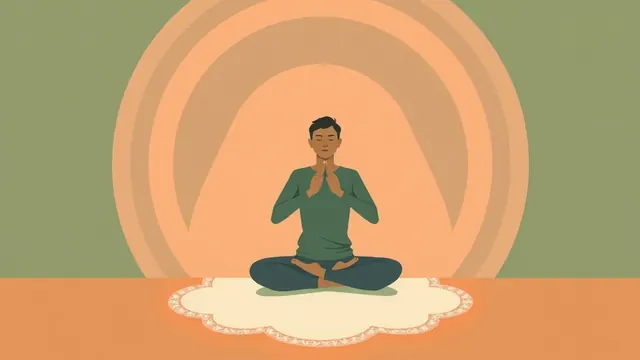 Loving-KindnessSilently wishing yourself and others well, using simple phrases from Buddhist metta practice.
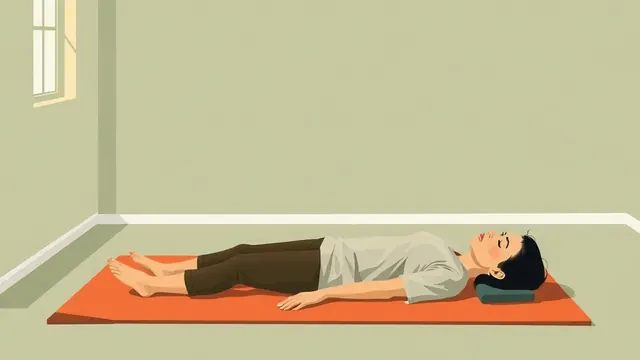
 Yoga NidraA guided practice done lying down, moving step by step into deep rest while staying aware.
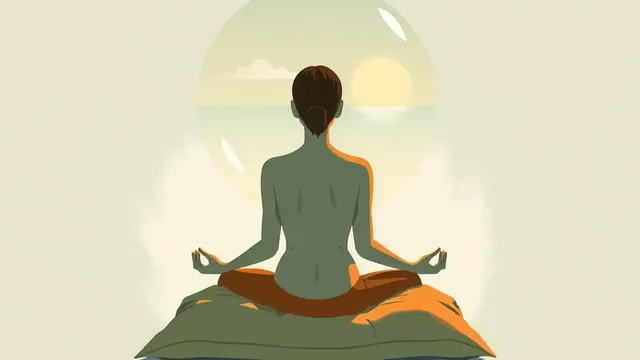 Visualization MeditationUsing imagined places, light and rehearsals as a focus for calm attention.
 Meditation for SleepA calm bedtime script, a middle-of-the-night reset and honest notes on what meditation can and can't do for sleep.
 Meditation for AnxietyEyes-open, grounding meditations for anxious moments, plus honest notes on limits and when to get support.
 Morning MeditationA 7-minute "before the phone" routine, with tips for building a morning habit that lasts.
 Sound BathSinging bowls, gongs and chimes as a focus for meditation, with an at-home one-bowl practice and safety notes.
 Zen MeditationWhat zazen is, how Soto and Rinzai Zen differ, and how to sit your first session at home.
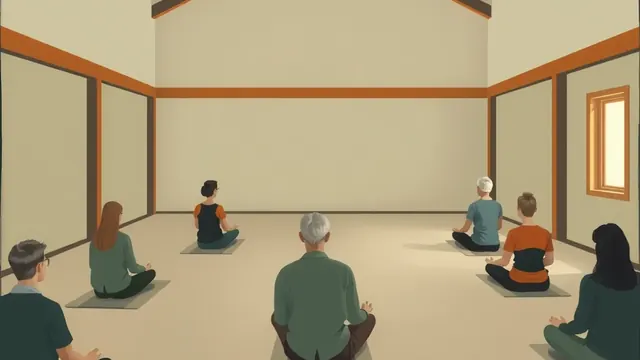 Vipassana MeditationWhat vipassana insight meditation is, what a 10-day silent course involves, and how to start at home.
 Transcendental MeditationA neutral look at what TM is, how it's taught, what it costs in principle, and free mantra alternatives.
The 15 styles at a glance
| Style | Tradition or origin | Focus | Good for | Typical time |
|---|---|---|---|---|
| Mindfulness | Buddhist roots; secular MBSR from 1979 | Present moment, without judging | Everyday awareness | 10-20 min |
| Loving-kindness (metta) | Buddhist metta practice | Silent phrases of goodwill | Self-criticism, warmth | 10-20 min |
| Yoga nidra | Yogic roots; modern form from the Bihar School, 1960s-70s | Guided rest lying down | Deep rest, tired minds | 20-40 min |
| Visualization | Many traditions; modern relaxation and sports | Imagined scenes or light | Visual thinkers, rehearsal | 5-15 min |
| Meditation for sleep | Modern blend of styles | Winding down in bed | Bedtime routines | 10-20 min |
| Meditation for anxiety | Modern blend of styles | Grounding and steadying | Anxious moments, alongside care | 3-10 min |
| Morning meditation | Modern routine | A short start to the day | Building a daily habit | 5-15 min |
| Sound bath | Modern practice using bowls and gongs | Listening to sound | People who like sound | 30-60 min |
| Zen (zazen) | Zen Buddhism (Chinese Chan, later Japan) | Posture, breath, "just sitting" | Structure and discipline | 20-40 min |
| Vipassana | Theravada Buddhism | Insight into sensations | Deep, detailed practice | 20-60 min |
| Transcendental Meditation | Maharishi Mahesh Yogi, 1950s | A personal mantra | People wanting formal instruction | 20 min, twice daily |
| Mantra | Hindu, Buddhist and other traditions | A repeated word or sound | Busy minds | 5-20 min |
| Body scan | Buddhist roots; common in MBSR | Sensations, head to toe | Reconnecting with the body | 10-30 min |
| Walking | Buddhist and other traditions | Steps and movement | People who dislike sitting | 10-30 min |
| Guided or silent | Any tradition | A voice, or your own direction | Choosing a format | Any length |
Times are typical ranges, not rules. Almost every style can be done in five minutes on a busy day.
How to choose a style
Start with what you want from practice, then match it to a family:
- "I want to notice my thoughts and reactions." Try mindfulness. If you want more depth and structure later, look at vipassana or zen.
- "My mind is too busy to watch the breath." Give it something to hold: a word in mantra meditation, or counting breaths with our breathing techniques.
- "I'm hard on myself." Loving-kindness is built for exactly this.
- "I can't sit still." Try walking meditation, or a lying-down body scan.
- "I'm exhausted and want rest." Yoga nidra is done lying down and fully guided.
- "I think in pictures." Visualization gives your imagination a job.
- "I want a teacher and a clear method." Zen, vipassana and Transcendental Meditation are taught in formal settings. TM is taught for a fee by certified teachers; free mantra practice is an alternative if cost matters.
If you're unsure whether to use recordings, our guide to guided vs. silent meditation weighs up both. For session length, see how long to meditate.
Traditional practices and modern ones
Some styles on this list come from long religious traditions. Zen, vipassana and metta are Buddhist practices with centuries of history, and mantra and yoga nidra draw on Indian yogic traditions. Learning them from a teacher within that tradition can add depth and context.
Others are modern, practical groupings. "Meditation for sleep" or "morning meditation" isn't a separate lineage; it's a way of using familiar techniques for a particular purpose. Both kinds are valid. It's just helpful to know which you're looking at.
Try one style for two weeks
Switching styles every day makes it hard to tell what works. A simple experiment:
- Pick one style from the table that matches your goal.
- Practice it daily for two weeks, at the same time if you can.
- Keep sessions short at first, five to ten minutes.
- After each session, write one line about how it felt.
- At the end, decide: keep it, adjust it, or try the next style on your list.
Many people end up with two practices: one main style and one for special situations, such as a short breathing practice for stressful moments.
A note on health and safety
Research on meditation is active, and some studies suggest benefits for stress and well-being. Still, no style of meditation is a treatment for any medical or mental health condition. If you live with anxiety, depression, trauma, sleep problems or another health concern, talk to a doctor or licensed mental health professional, and treat meditation as something that can sit alongside care, not replace it. If you are in crisis in the US, call or text 988.
Some practices, like sound baths with loud gongs, aren't right for everyone; check with a doctor first if you have concerns. And if you're considering a paid meditation course, our guide on how to choose a program can help you judge whether it's worth it.
Want a structured program to go deeper?
Reading is a start. Some people do better with a guided course they can follow day by day. This button opens a manifestation or meditation program from one of our advertising partners.
See the partner program →We may be paid when you click. The program shown can change. Read its terms before you buy anything. How this works