Deer Spiritual Meaning: Gentleness, Grace and Quiet Awareness
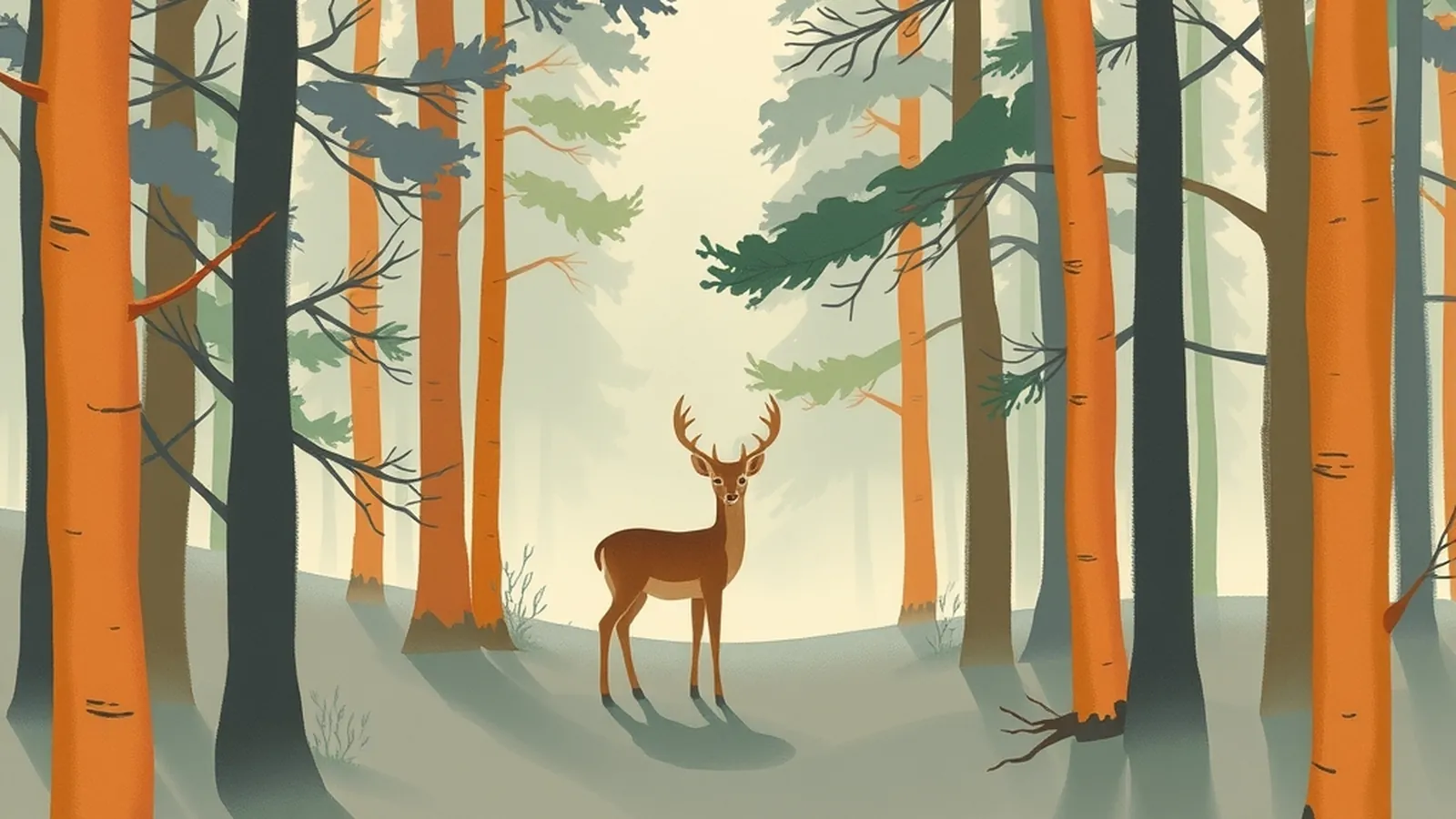
A deer is most often seen as a symbol of gentleness, grace and quiet awareness. People commonly read a deer sighting as a reminder to move through life more softly, stay alert without becoming anxious, and treat themselves and others with kindness. The white stag of Arthurian legend adds another layer: the deer as a guide into a new chapter. These are beliefs and reflections, not predictions.
This page is part of our guide to spiritual meanings of signs and symbols.
What people believe a deer means
Deer symbolism in modern spiritual writing usually centers on a few qualities:
- Gentleness. This is the most common meaning. A deer is often read as an invitation to respond to a hard situation with softness instead of force.
- Sensitivity and awareness. Deer notice the smallest sound or movement. Many people link them with tuning into their surroundings and their own feelings.
- Grace under pressure. Deer move lightly even in difficult terrain, which some take as a model for steady, unhurried progress.
- Renewal. Male deer shed and regrow their antlers each year, so deer are sometimes connected with cycles of letting go and growing back.
If a deer appears at a moment when you've been hard on yourself, many people find it natural to read it as a cue to ease up. That's a meaning you're free to keep.
The deer in legend and scripture
The white stag is a recurring figure in Arthurian legend. In these tales, it typically appears suddenly, and pursuing it leads knights into an adventure or quest. Because of that, white deer have come to suggest the start of a meaningful journey, something rare that pulls you toward the unknown.
Deer appear in other traditions too. Psalm 42 in the Hebrew Bible opens with a deer longing for streams of water, an image of spiritual thirst that many readers still find moving. In Christian tradition, the stories of Saint Eustace and Saint Hubert each describe a stag appearing with a cross between its antlers. And in Nara, Japan, deer have long been regarded as sacred messengers in local Shinto tradition, and they still roam freely around the city's temples and parks.
Many Indigenous nations also have their own relationships with deer, rooted in stories, ceremony and ways of life. Those meanings vary from nation to nation and aren't a single tradition to sum up or adopt. If you'd like to understand them, learn from those communities directly.
The natural side: what deer are really like
Understanding real deer behavior adds depth to the symbolism, and it can help keep both you and the animals safe.
- Dawn and dusk. Many deer, including North America's white-tailed deer, are most active around dawn and dusk. That's when you're most likely to see them, and when drivers need to be most careful.
- Antlers. In most deer species, only males grow antlers. They're shed and regrown each year, made of bone, and covered in a soft "velvet" while growing.
- Built for alertness. Deer have eyes set on the sides of their heads for a wide field of view, and large, mobile ears that turn toward sounds.
- Hidden fawns. Mother deer often leave spotted fawns lying still in tall grass while they feed nearby. A fawn alone is usually not abandoned, so it's best to keep your distance and leave it be.
That last point carries its own lesson: sometimes the gentlest thing you can do is not interfere.
How the deer connects to other signs
The deer has a few natural companions in this guide. The butterfly shares its softness and its link to renewal, though the butterfly's change is a one-time transformation while the deer's antlers return in yearly cycles. The crow is a useful counterweight, inviting sharp honesty where the deer invites tenderness. And the cardinal, another common backyard visitor, is often read as a gentle sign of comfort.
A kindness practice inspired by the deer
This short practice draws on loving-kindness meditation, a tradition of offering goodwill to yourself and others. It takes about ten minutes.
- Be still like a deer at the forest edge. Sit comfortably and notice the sounds around you without reacting to them.
- Offer kindness to yourself first. Silently repeat a simple phrase, such as "May I be gentle with myself today."
- Extend it outward. Bring to mind someone you love, then someone neutral, then someone you find difficult. Offer each the same wish.
- Notice resistance softly. If a phrase feels forced, don't push. Just notice it, the way a deer notices a sound and lets it pass.
- Choose one gentle action. Decide on one concrete act of kindness for today: a message to a friend, an earlier bedtime, a patient reply.
If you notice persistent sadness, anxiety or harsh self-talk that doesn't ease, it's worth talking with a doctor or qualified mental health professional. Gentleness includes asking for support.
Journal prompts
- Where in my life would a softer response work better than a forceful one?
- What am I sensing about a situation that I haven't put into words yet?
- What have I let go of this year, and what might be growing back in its place?
- If a white stag appeared tomorrow, what quest would I want it to lead me toward?
Keeping the meaning grounded
A deer stepping out of the trees can stop you in your tracks, and that pause is valuable whether or not you see it as a sign. There's no evidence deer bring messages, but they do offer a living picture of awareness and grace. Let the moment remind you to be gentle, then carry that into one real choice. For more reflective practices, our gratitude practice guide is a good next step, and the full spiritual growth section has more.
Want a structured program to go deeper?
Reading is a start. Some people do better with a guided course they can follow day by day. This button opens a manifestation or meditation program from one of our advertising partners.
See the partner program →We may be paid when you click. The program shown can change. Read its terms before you buy anything. How this works
Frequently asked questions
What does it mean when a deer stares at you?
A deer that stops and stares is usually assessing whether you're a threat before deciding to stay or run. Spiritually, many people take that moment of mutual stillness as a reminder to be present and gentle. It isn't a message about your future.
What does a white deer mean spiritually?
In Arthurian legend, a white stag appears as a mysterious creature that draws knights into adventure, so white deer are often linked with quests and new beginnings. In nature, white deer are rare because of genetic variations in coloring.
What does it mean to see a deer on the road?
Practically, it means slow down. Deer are most active around dawn and dusk and often travel in groups, so one deer crossing can mean others are close behind. Any spiritual meaning you take from it can wait until you're safely parked.