Crow and Raven Spiritual Meaning: Thought, Memory and Change
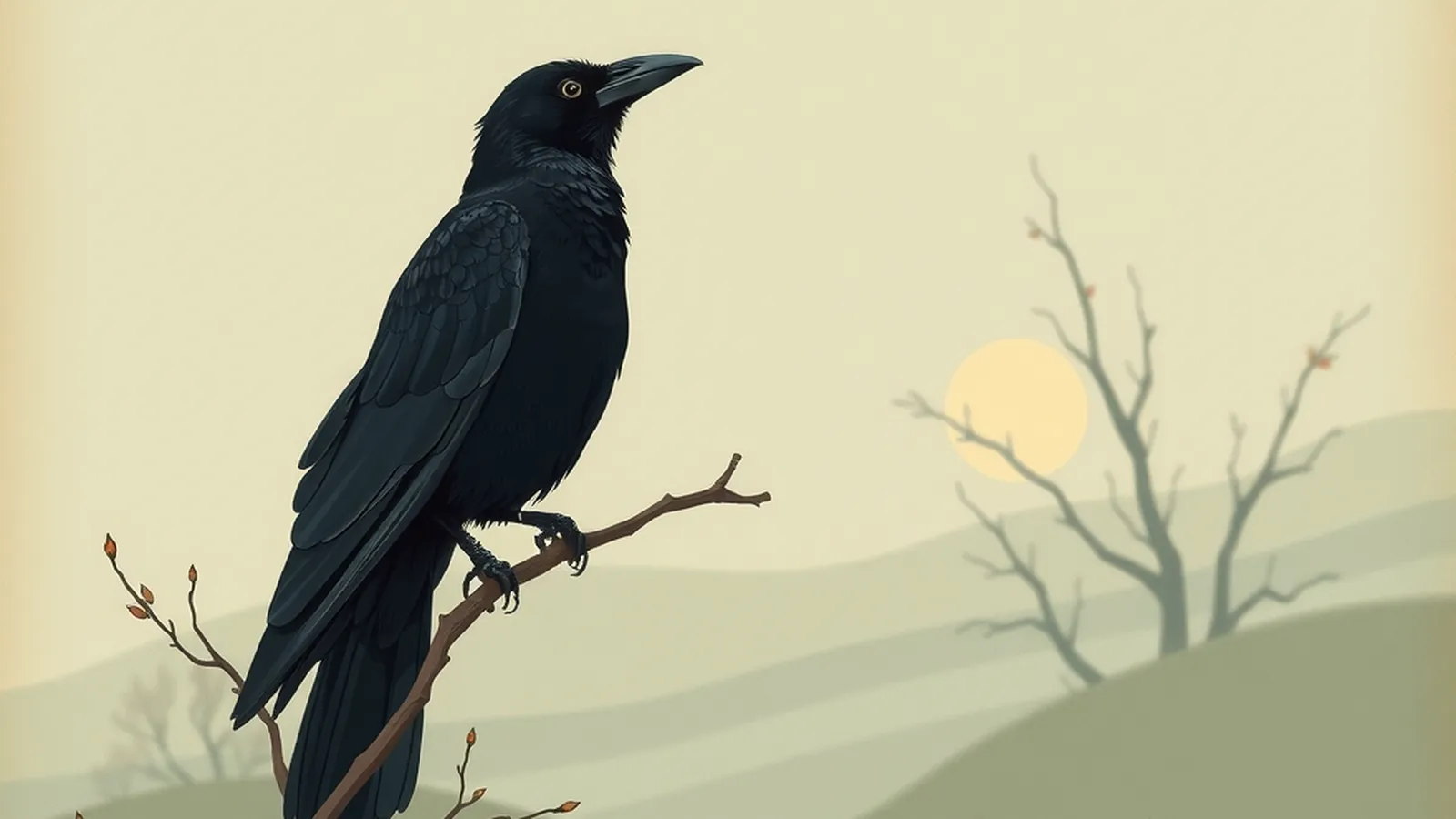
Crows and ravens are most often seen as symbols of intelligence, memory, insight and change. In Norse myth, the god Odin had two ravens, Huginn and Muninn, whose names mean "thought" and "memory." Modern spiritual readings build on that: a crow or raven is often taken as a prompt to think clearly, remember what matters and look honestly at yourself. These are beliefs and reflections, not omens.
This page belongs to our guide to spiritual meanings of signs and symbols.
What people believe crows and ravens mean
Corvids have a complicated image, and modern spiritual writing tends to draw out a few themes:
- Intelligence and problem-solving. This is the most grounded meaning, since crows really are among the smartest birds.
- Memory. Thanks to Muninn, and to the birds' real ability to remember, crows are often linked with paying attention to the past.
- Insight into hidden things. Their dark feathers and watchful habits lead some people to connect them with looking at what's usually kept out of sight.
- Change and adaptability. Crows thrive in cities, farms and forests alike, which many people read as a lesson in adapting.
Some folklore has cast black birds as bad luck. Those stories are part of cultural history, but a crow on your lawn is just a crow looking for food, and it doesn't predict anything about your life.
Odin's ravens in Norse myth
In Norse mythology, Huginn and Muninn are a pair of ravens who serve Odin, the chief of the gods. In the surviving stories, they fly out across the world and return to tell him what they've seen. Their names are usually translated as "thought" and "mind" or "memory."
It's a striking image: wisdom here doesn't come from sitting still, but from sending your attention out into the world and bringing back honest reports. Many people find that a useful way to think about reflection.
Crows and ravens in other traditions
Corvids appear in many cultures. In the Book of Genesis, Noah first sends out a raven from the ark, before the better-known dove. In Japanese myth, a three-legged crow called Yatagarasu is described as a guide, and it's still a familiar emblem in Japan today.
Ravens and crows also hold important places in the stories of many Indigenous nations, especially along the Pacific Northwest coast. But those stories belong to specific nations, each with its own versions, meanings and rules about who may tell them. Rather than relying on summaries that lump them together, learn from those communities directly through their own cultural centers, artists and published work.
The natural side: how smart are corvids?
The intelligence people sense in crows is real. Crows, ravens, jays and magpies all belong to the corvid family, which is known for remarkable thinking skills.
- Tool use. New Caledonian crows have been documented making and using tools, such as shaping twigs and leaves to pull insects out of crevices.
- Recognizing people. Research suggests crows can recognize individual human faces and remember people who have treated them well or badly.
- Social learning. Crows live in family groups and appear to learn from one another, including about which places or people to avoid.
- Problem-solving. Corvids in research settings have solved puzzles that require planning several steps ahead.
Crows vs. ravens: in North America, the American crow is the one most people see in towns. Ravens are larger, with heavier bills and a wedge-shaped tail, and they're more often found in wilder areas, though they live near people in some regions too.
How the crow connects to other signs
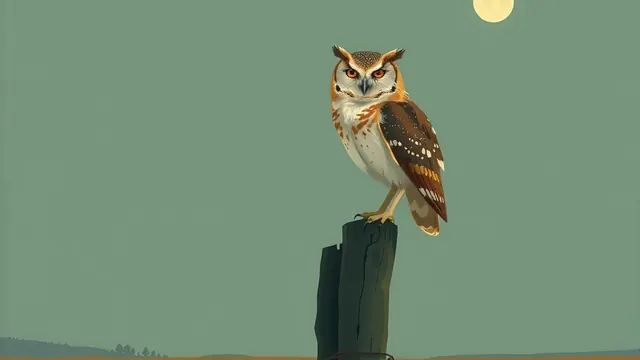
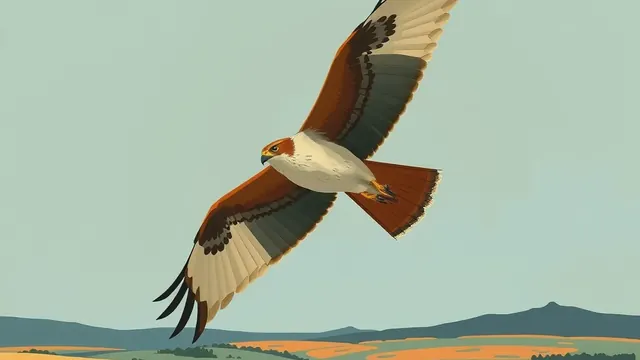
The crow shares a lot of ground with its bird-of-prey neighbors. The owl is the other bird most linked with wisdom, though its symbolism leans toward quiet intuition rather than clever memory. The hawk is a frequent sparring partner, since crows will team up to chase hawks away from their nests. And the gentle deer makes a useful contrast: where the crow invites sharp honesty, the deer invites softness, and most growth needs some of both.
A reflection practice: send out your ravens
This practice borrows the Huginn and Muninn image. It pairs well with shadow work, the practice of gently exploring parts of yourself you tend to avoid.
- Choose a question. Pick one area of life that feels stuck: a habit, a recurring conflict or a choice you keep postponing.
- Send out "Thought." For five minutes, write what you notice about this area right now. Stick to facts and observations, as if you were reporting back to someone wise.
- Send out "Memory." For five more minutes, write about when this pattern first showed up and what was happening in your life then.
- Read the reports. Look for one honest insight, something you knew but hadn't quite admitted.
- Act on it kindly. Choose one small, specific step. Kindness matters here; the goal is understanding, not self-criticism.
If this kind of reflection brings up painful memories or feels overwhelming, please pause and consider talking with a licensed therapist. Some patterns are easier and safer to explore with support.
Journal prompts
- What do I keep noticing about my life that I haven't yet acted on?
- What memory has been shaping my choices more than I'd like?
- Where have I adapted well to a hard change, and what did that teach me?
- What part of myself do I usually keep in the shadows, and what might it need from me?
Keeping the meaning grounded
There's no evidence that crows or ravens carry messages about your future. What they do offer is a living example of curiosity, memory and adaptability, qualities that serve any spiritual practice. If a crow catches your eye, let it be a reminder to think clearly and remember honestly.
For more ways to deepen your inner work, browse the spiritual growth section, and if you're weighing a paid course on topics like this, our guide to program red flags can help you choose carefully.
Want a structured program to go deeper?
Reading is a start. Some people do better with a guided course they can follow day by day. This button opens a manifestation or meditation program from one of our advertising partners.
See the partner program →We may be paid when you click. The program shown can change. Read its terms before you buy anything. How this works
Frequently asked questions
Is seeing a crow a bad sign?
No. Crows have a mixed reputation in some folklore, but a crow sighting doesn't predict anything. Crows are common, highly intelligent birds that thrive near people, and in Norse myth ravens stood for thought and memory. Many people today read them as a prompt for insight and honesty.
What is the difference between a crow and a raven?
Both are corvids, but ravens are noticeably larger, with heavier bills, shaggy throat feathers and a wedge-shaped tail in flight. Crows have a fan-shaped tail and a higher cawing call, while ravens make deeper croaks.
What does it mean when crows follow you?
Crows are curious and observant, and they often keep an eye on people who might share food or who pass through their territory regularly. Spiritually, some people take it as a nudge to notice patterns in their own life. It isn't a warning.