Loving-Kindness Meditation: How to Practice Metta
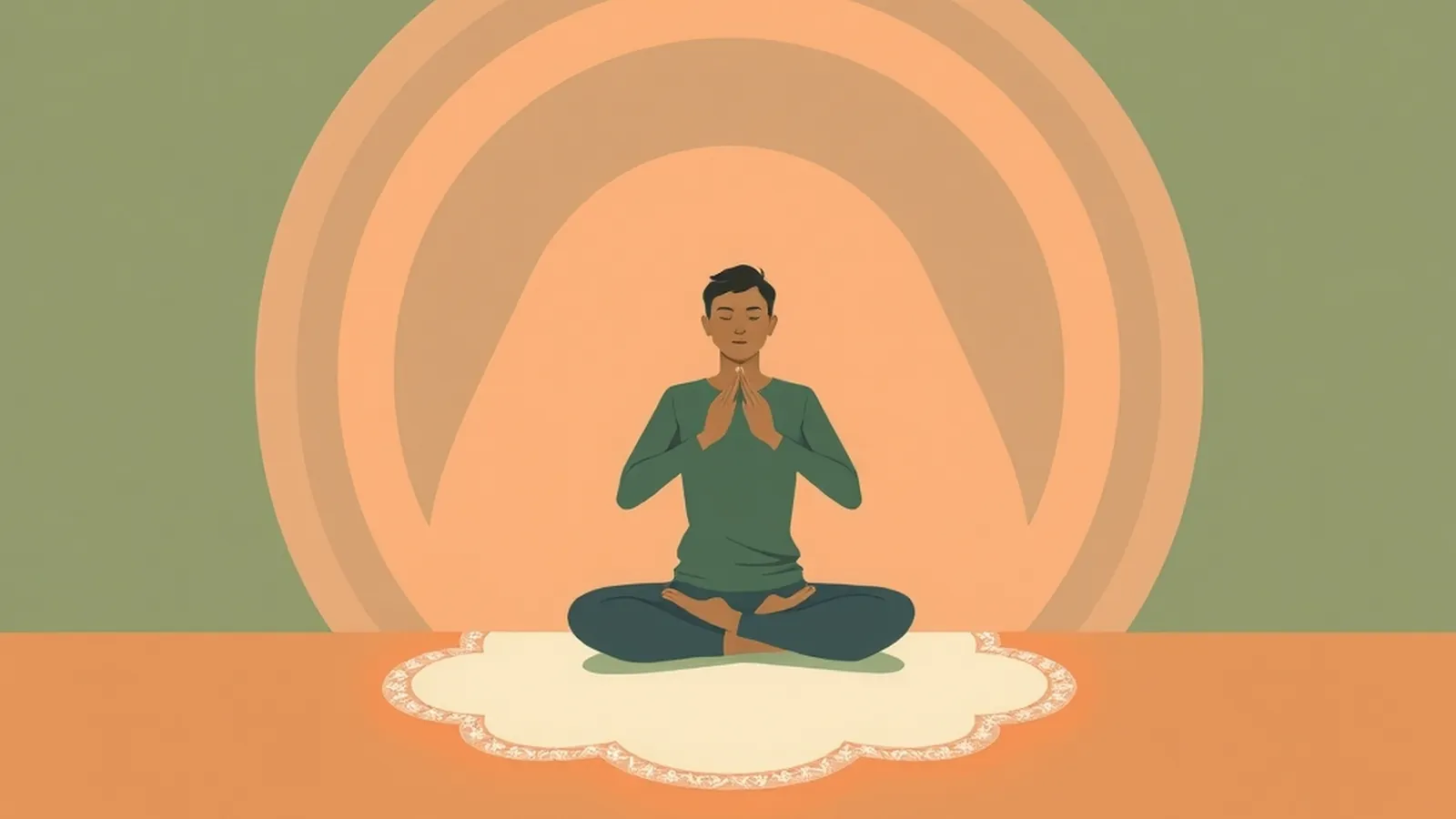
Loving-kindness meditation, also called metta meditation, is a practice of silently repeating phrases of goodwill, such as "May you be safe, may you be well," first toward yourself and then outward to other people. Instead of only observing the mind, you deliberately cultivate a warm, friendly attitude. It's simple to learn and often appeals to people who find plain breath-watching a little dry.
It's one of several heart-centered styles in our guide to types of meditation.
Where metta comes from
Metta is a Pali word usually translated as "loving-kindness" or "friendliness." It comes from early Buddhist teaching, where it is one of four qualities called the brahmaviharas, along with compassion, sympathetic joy and equanimity. Metta practice has been part of Buddhist life for many centuries, especially in Theravada traditions in Southeast Asia.
Traditional instructions move goodwill through a sequence of people, from those who are easy to love to those who are hard. Modern Western teachers have kept that structure and often teach it in secular settings, without requiring any religious belief.
The classic sequence
Most metta practice moves through six stages. You don't need to do all of them in one sitting.
| Stage | Who | Why it's there |
|---|---|---|
| 1 | Yourself | Builds goodwill toward your own life |
| 2 | A benefactor | Someone whose kindness is easy to feel |
| 3 | A friend | Extends warmth to someone you like |
| 4 | A neutral person | Someone you see but don't really know |
| 5 | A difficult person | Gently stretches goodwill beyond preference |
| 6 | All beings | Opens the wish without limits |
Some teachers suggest starting with the benefactor instead of yourself, because many people find it easier to wish a kind teacher, grandparent or even a pet well than to wish it for themselves.
How to practice: a 15-minute metta script
Read this through once, then practice from memory, or record it in your own voice.
- Settle in (1 minute). Sit comfortably. Rest one hand on your chest if that feels good. Take three breaths that are a little slower than usual.
- Begin with an easy person (3 minutes). Bring to mind someone who has been simply, uncomplicatedly kind to you. Maybe a neighbor who always waved, or a coach who believed in you. Picture their face or just sense them. Silently offer: "May you be safe. May you be well. May you be happy. May you live with ease." Repeat slowly, letting each phrase land before the next.
- Turn toward yourself (3 minutes). Now imagine that same person offering those words back to you. Then say them to yourself: "May I be safe. May I be well. May I be happy. May I live with ease." If it feels awkward, that's fine. Keep going gently.
- A friend (2 minutes). Picture a friend you'd like to support right now. Offer the phrases to them by name.
- A neutral person (2 minutes). Think of someone you see but don't know: the person who delivers your mail, a barista, a stranger on the bus this morning. Remember that they also want to be safe and happy. Offer the phrases.
- A mildly difficult person (2 minutes, optional). Choose someone who irritates you a little, like a coworker who talks over people. Not someone who seriously harmed you. Offer the phrases as best you can. If it gets heavy, return to yourself or your benefactor.
- Everyone (2 minutes). Widen the circle: people in your building, your town, the whole country, every living being. "May all beings be safe. May all beings be well."
- Rest. Let the words go and sit quietly for a few breaths, noticing whatever is here.
Choosing your own phrases
The traditional words aren't fixed. Choose three or four short wishes that feel honest to you. Some examples:
- "May you be free from fear."
- "May you feel at home in your body."
- "May you be held with care."
- "May you meet today with patience."
Avoid wishes about specific outcomes, like a promotion or a particular person loving you back. Metta is about general goodwill, not steering events or other people.
Combining metta with other practices
Many people add a picture to the words, such as imagining warm light around the person they're thinking of. If imagery helps you, visualization meditation goes deeper into working with mental images. A gentle round of metta in bed can also be a soft way to end the day, which is why it often shows up in meditation for sleep. And because metta asks you to stay with the phrases, a grounding in mindfulness meditation helps you notice when you've drifted into planning or judging.
In chakra traditions, compassion and connection are linked with the heart chakra, and some practitioners use metta as part of heart-centered work. That's a belief framework rather than a scientific one, but the practice itself works the same either way.
Who loving-kindness suits
Metta often suits people who are hard on themselves, people who want their practice to feel warmer, and those who want to soften long-running irritation toward someone. It's also a good fit if you like having words to work with.
You might prefer another style if repeating phrases feels forced or sentimental. In that case, a neutral anchor like the breath or a single word in mantra meditation may feel more natural.
Common difficulties
"Wishing myself well feels fake." Start with the benefactor and let yourself receive their wish before saying it to yourself. You can also say "May I learn to be kind to myself," which may feel more honest.
"I feel sad or angry instead of loving." Metta sometimes surfaces grief or old resentments. That's a known part of the practice, not a sign you're doing it wrong. Slow down, return to an easy person, or stop for the day.
"The difficult person stage brings up painful memories." Skip it. You never have to direct goodwill toward someone who abused or seriously hurt you. If memories of trauma come up, or if low mood or anxiety builds, please talk with a doctor or licensed therapist, who can help you decide which practices feel safe.
"My mind wanders off the phrases." Bring it back the same way you would to the breath. You can sync each phrase to one out-breath.
What research says
Research on loving-kindness and compassion meditation is active. Some studies suggest these practices may be linked with more positive feelings toward oneself and others, though results vary and the research is still developing. Loving-kindness meditation is not a treatment for depression, anxiety or any other condition, and it doesn't replace professional care.
For the basics of sitting and timing, see our meditation for beginners guide.
Want a structured program to go deeper?
Reading is a start. Some people do better with a guided course they can follow day by day. This button opens a manifestation or meditation program from one of our advertising partners.
See the partner program →We may be paid when you click. The program shown can change. Read its terms before you buy anything. How this works
Frequently asked questions
What are the loving-kindness phrases?
Common phrases are "May you be safe. May you be well. May you be happy. May you live with ease." You can change the words to ones that feel natural, as long as they express simple goodwill.
What if I feel nothing during loving-kindness meditation?
That's very common. The practice is in sincerely offering the wish, not in producing a feeling. Warmth often shows up gradually, and some days it doesn't show up at all.
Do I have to send loving-kindness to someone who hurt me?
No. The "difficult person" stage is optional, and beginners usually pick someone mildly annoying, not someone who caused real harm. Wishing someone well never means excusing what they did or giving up your boundaries.