Hawk Spiritual Meaning: What Seeing a Hawk Can Stand For
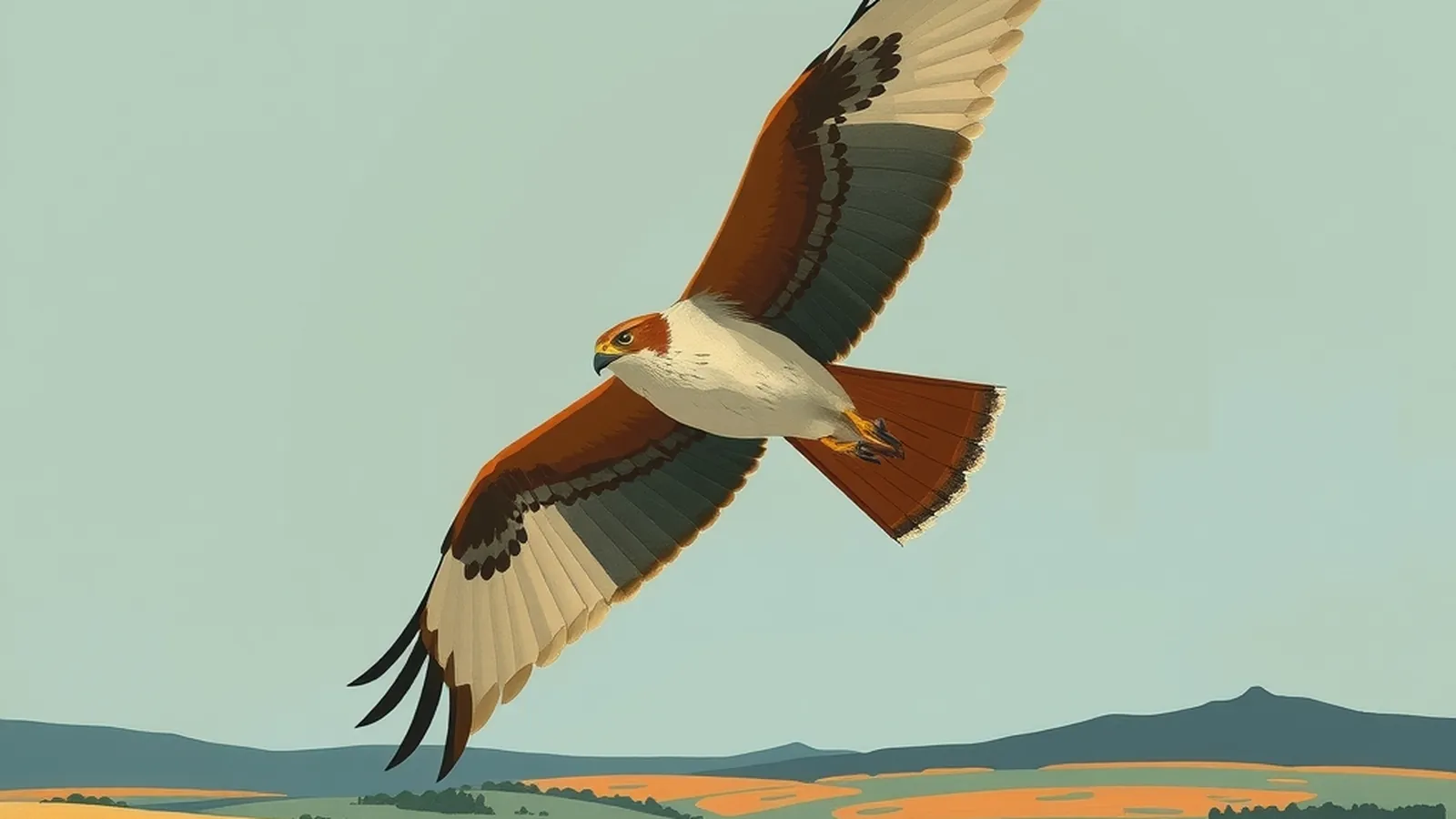
A hawk is most often read as a symbol of focus, clear vision and perspective: the ability to rise above the details and see what really matters. Because hawks have exceptionally keen eyesight, people commonly take a sighting as a prompt to pay attention to something they've been overlooking. That meaning is a belief, not a forecast, but it can be a useful moment to pause and look around.
This page is one of several in our guide to spiritual meanings of signs and symbols.
What people believe a hawk means
Most modern hawk symbolism builds on what the bird actually does well:
- Focus. A hunting hawk can lock onto a small target from a great distance. Many people read a hawk as a reminder to concentrate on one priority instead of many.
- Perspective. Soaring hawks see the whole field at once. That image is often linked with stepping back from a problem to see its shape.
- Alertness. A hawk perched on a pole is still but fully awake. Some people take that as a model for calm attentiveness.
- Leadership and courage. Birds of prey have been used as emblems of strength and confidence in many places, so a hawk is sometimes read as encouragement to act decisively.
Your own response matters as much as any list. If a hawk made you stop and breathe, that pause is already the point.
Birds of prey in history and culture
Hawks and their relatives have carried meaning in many societies. In ancient Egypt, the god Horus was depicted as a falcon or a falcon-headed man, a related bird of prey associated with kingship and the sky. In medieval Europe, falconry, which also used hawks, was closely tied to nobility and status.
For many Indigenous nations, hawks also hold significance, but there isn't one shared "Native American" meaning to look up. Beliefs vary between nations, and some are connected to ceremonies and teachings that aren't meant to be borrowed. If a specific nation's view of the hawk interests you, the respectful step is to learn from that community directly.
The natural side: the hawks you're likely to see
If you live in North America, there's a good chance the hawk you spotted was a red-tailed hawk. It's one of the most common hawks on the continent, often seen perched on light poles, fence posts and trees along highways, or circling over open land. Adults usually show a reddish-brown tail, which gives the species its name.
A few facts behind the symbolism:
- Keen eyesight. Hawks have very sharp vision, which lets them spot small prey moving in grass from high above.
- Soaring on rising air. Hawks often circle on columns of warm rising air, gaining height while barely flapping. That's why you'll often see them making slow loops on sunny days.
- Open-country hunters. Roadsides and mowed fields make it easier to see rodents, which is one reason hawk sightings are so common during drives.
Knowing this doesn't cancel any meaning you find. It just roots it in a real animal doing what it's built to do.
How the hawk connects to other signs
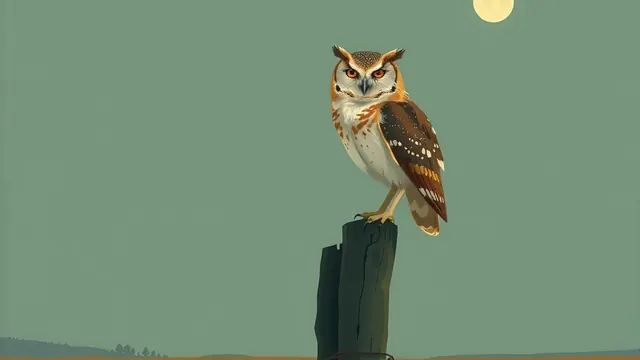
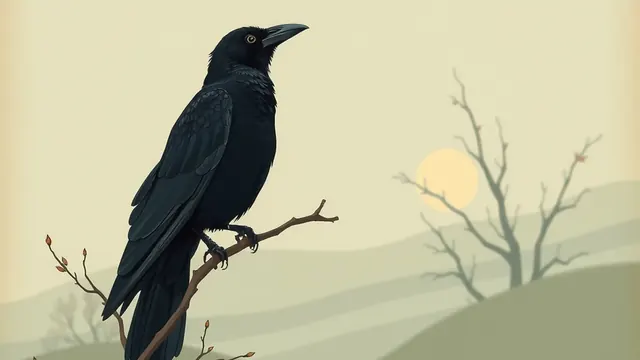
The hawk pairs naturally with a few other pages in this guide. The owl is the night-time mirror image: both are birds of prey linked with seeing clearly, but the owl leans toward intuition and the hawk toward sharp, daylight focus. If you've found a hawk feather, read that page before picking it up, since keeping feathers from most native wild birds is illegal in the US without a permit. And the crow is worth a look too, since crows often chase hawks away from their territory, a scene many people find symbolic in its own right.
A practice: the hawk's-eye view
This exercise borrows the hawk's two modes of seeing, close focus and wide perspective. It works well as a short form of mindfulness meditation, which trains exactly this kind of attention.
- Settle. Sit or stand comfortably. Take a few slow breaths and let your eyes soften.
- Narrow focus. Pick one small object nearby. For one minute, look only at it. Notice its color, texture and edges. When your mind drifts, come back.
- Widen out. Now let your gaze relax and take in the whole space at once: the edges of your vision, the light, the sounds around you. Stay with that wide view for another minute.
- Apply it. Think of a current problem. First, name the single most important detail. Then zoom out and ask how it fits into the next year of your life.
- Choose one action. Write down one specific step that reflects what you saw from both views.
Journal prompts
- What is the one thing I'd focus on if I could only do one thing well this month?
- Where am I so close to a problem that I can't see its shape?
- What have I been noticing out of the corner of my eye but not looking at directly?
- When do I feel calm and alert at the same time, and how can I create more of that?
A grounded way to hold this meaning
There's no scientific evidence that a hawk appears in order to deliver a message. But being stopped in your tracks by a wild animal is a real experience, and it can break you out of autopilot. Use that moment to ask a clear question, then follow it with a practical step.
For more practices that turn moments like this into steady habits, explore the spiritual growth section.
Want a structured program to go deeper?
Reading is a start. Some people do better with a guided course they can follow day by day. This button opens a manifestation or meditation program from one of our advertising partners.
See the partner program →We may be paid when you click. The program shown can change. Read its terms before you buy anything. How this works
Frequently asked questions
What does it mean when a hawk crosses your path?
In modern spiritual belief, a hawk crossing your path is often read as a nudge to pay closer attention and look at your situation from a wider angle. In practical terms, hawks often hunt along roadsides and open fields, so sightings are common. It's an invitation to reflect, not a prediction.
What does it mean when a hawk circles above you?
Hawks often circle while riding rising warm air, which lets them stay aloft with little effort while scanning for food. Spiritually, many people take a circling hawk as a reminder to rise above the details for a moment and see the bigger picture.
Is seeing a hawk a sign from a loved one?
Some people feel a hawk sighting brings a loved one to mind, and that can be a comforting way to remember someone. There's no evidence it's a message, but the feeling of connection is real and worth honoring in your own way.