Chakra Colors and Their Meanings
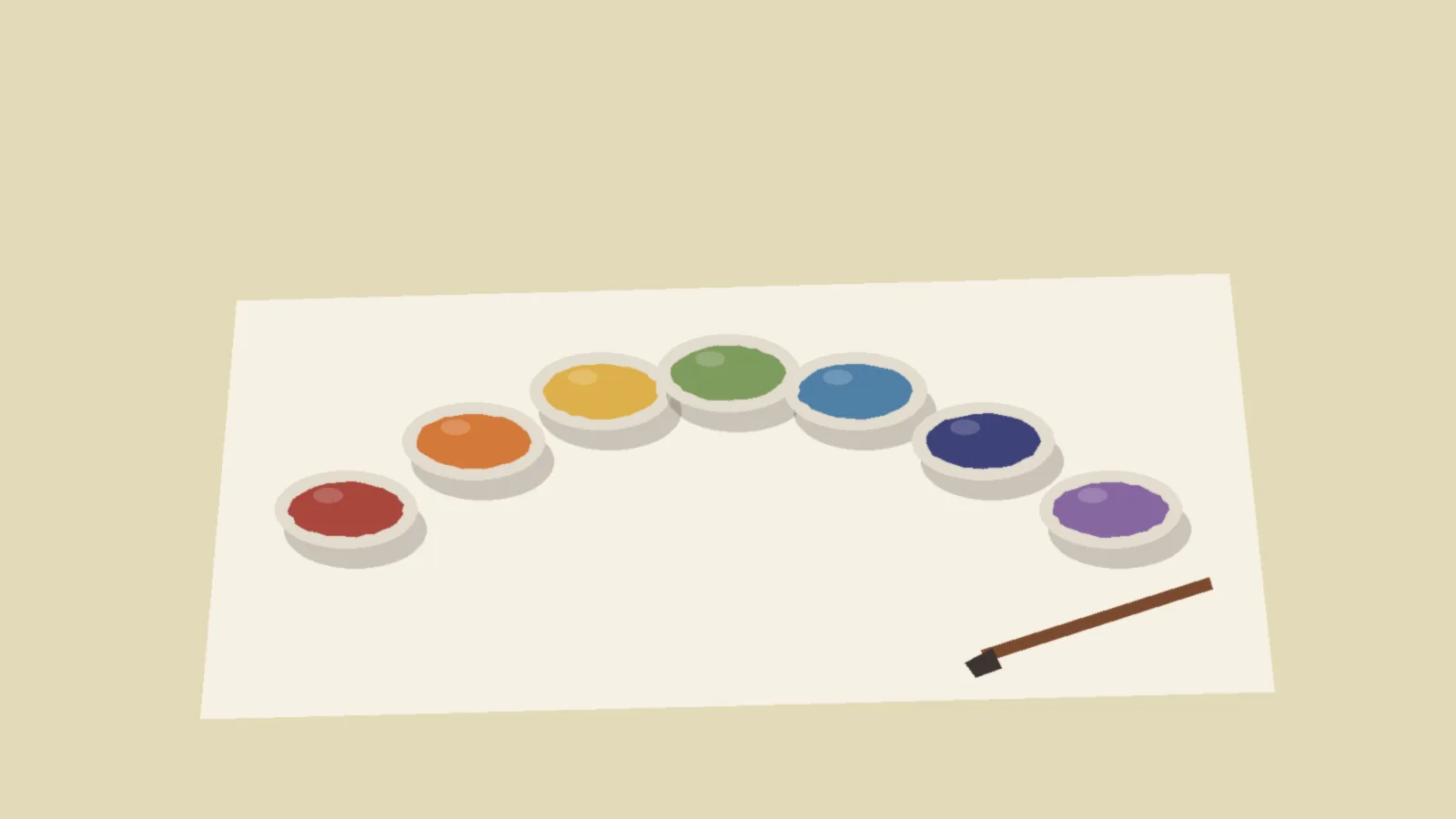
The seven chakra colors follow the rainbow: red for the root, orange for the sacral, yellow for the solar plexus, green for the heart, blue for the throat, indigo for the third eye and violet (or white) for the crown. Each color is used as a visual shorthand for that chakra's themes, such as red for safety and green for compassion.
This rainbow scheme is a modern Western convention, not an ancient rule. Below you'll find what each color stands for, where the system came from, and practical ways people use chakra colors, along with an honest note about what color can and can't do. For the chakras themselves, start with our guide to the seven chakras.
The seven chakra colors at a glance
| Color | Chakra | Common associations |
|---|---|---|
| Red | Root (Muladhara) | Safety, stability, the body, belonging, the earth |
| Orange | Sacral (Svadhisthana) | Creativity, pleasure, emotion, playfulness |
| Yellow | Solar plexus (Manipura) | Confidence, willpower, warmth, action |
| Green | Heart (Anahata) | Love, compassion, growth, renewal |
| Blue | Throat (Vishuddha) | Honest speech, calm expression, listening |
| Indigo | Third eye (Ajna) | Intuition, insight, depth, imagination |
| Violet or white | Crown (Sahasrara) | Meaning, awe, spiritual connection |
What each color is said to represent
Red sits at the base. It's a dense, warm color, and practitioners link it with grounding: feeling at home in your body and your life.
Orange carries some of red's warmth with more lightness. It's tied to the sacral chakra, whose themes of creativity and enjoyment make orange a natural fit for anyone wanting more play in their week.
Yellow is the color of sunlight and is linked with personal power and the energy to act on your goals.
Green sits in the middle of the spectrum, just as the heart chakra sits in the middle of the seven. Practitioners often point out that green, the color of growing things, suits the heart's role as a bridge between the lower and upper chakras. Some teachers also use pink for the heart.
Blue is cool and clear, associated with the throat and with communicating calmly and truthfully.
Indigo, a deep blue-violet, is tied to the third eye and the inward focus of meditation and insight.
Violet or white crowns the system. Violet completes the rainbow, while white is sometimes used because it contains all colors, a fitting image for the crown chakra and its theme of wholeness. Gold appears in some teachings too.
Where the rainbow scheme came from
The neat red-to-violet order is a modern Western addition. It became popular in the second half of the 20th century through Western books on yoga, New Age teaching and energy work. It likely appealed because it is simple, memorable and matches the order of a rainbow from the bottom of the body to the top.
Traditional sources tell a different story. Indian tantric texts describe each chakra as a lotus with a set number of petals, plus a shape, element, deity and seed syllable, and the colors they give often don't match the rainbow at all. In some well-known descriptions, for example, the earth element at the root is pictured as a yellow square, and several lotuses are described in shades like vermilion, smoky gray or white. Different texts and lineages also disagree with each other.
None of this makes the modern scheme "wrong." It's simply a newer layer on an old, varied tradition. Knowing that helps you use it lightly, as a helpful map, rather than as a fixed fact.
How people use chakra colors
Color is one of the easiest ways to bring a chakra theme into daily life. These uses are about attention and intention. They are reminders, not treatments.
Clothing and accessories
Some people wear a color to match the theme they want to focus on that day. A red scarf before a stressful week might serve as a cue to stay grounded. A blue shirt on the day of a hard conversation can remind you to speak clearly. The color doesn't do the work; it prompts you to remember what you meant to practice.
Visualization
During meditation, many people picture a soft glow of each color at its chakra's location, moving from red at the base of the spine up to violet at the crown. This gives the mind something concrete to rest on. Our chakra balancing guide shows how to combine color visualization with breath and movement.
Color journaling
Try this simple practice. Each evening, ask yourself which chakra color matches your day. Write the color, one word for why, and one small action for tomorrow. Over a few weeks you may notice patterns, like a run of "red" days when you felt unsettled, that point to where you need more support.
Decor and personal spaces
People sometimes add a touch of a chakra color to a meditation corner or desk: a green plant for the heart, an orange cushion for creative work, a violet candle for quiet evenings. Keep it simple. A single object that you notice is more useful than a room full of things you stop seeing.
Vision boards
If you make a vision board, chakra colors can help organize it. You might group images about home and stability on a red section, creative goals on orange, and relationships on green. It's a visual way to see which areas of your life you're focusing on, and which you might be leaving out.
An honest note about color and healing
You'll find claims online that certain colors heal illness, cleanse energy or fix specific organs. There is no scientific evidence for this. Research on how color affects mood is ongoing and the findings are mixed, so even everyday effects are modest and vary from person to person.
Use color as a meaningful reminder, and treat any physical symptom as a reason to see a doctor. If you're struggling emotionally, a doctor or licensed therapist is the right first step.
Where to go next
Each color opens onto a full chakra guide. You might start with the warm, creative energy of the sacral chakra, explore compassion through the heart chakra, or step into the quieter themes of the crown chakra. Wherever you begin, let the colors be an invitation to reflect, not a set of rules.
Want a structured program to go deeper?
Reading is a start. Some people do better with a guided course they can follow day by day. This button opens a manifestation or meditation program from one of our advertising partners.
See the partner program →We may be paid when you click. The program shown can change. Read its terms before you buy anything. How this works
Frequently asked questions
What are the 7 chakra colors in order?
From the base of the spine up: red (root), orange (sacral), yellow (solar plexus), green (heart), blue (throat), indigo (third eye) and violet or white (crown).
Are the chakra colors traditional?
Not exactly. The rainbow sequence is a modern Western addition that became popular in the 20th century. Traditional Indian texts describe the chakras with different colors, shapes and symbols.
Can wearing chakra colors heal you?
No. There is no scientific evidence that wearing or looking at a color heals illness or balances energy. Many people use color as a reminder or mood cue, and any health concern should go to a doctor.