Crystal Meanings: A Grounded Guide to 11 Popular Stones
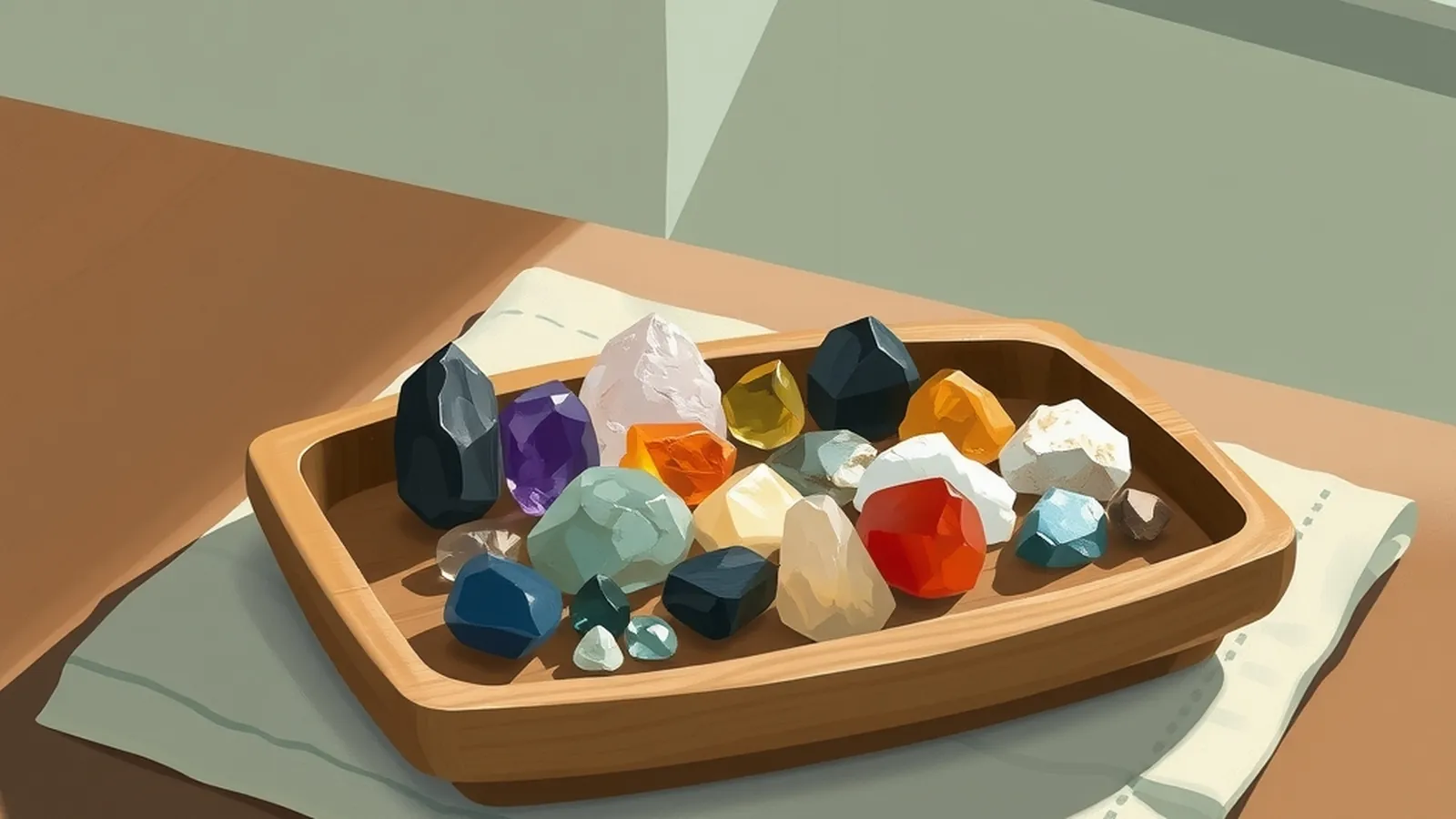
Crystal meanings are the qualities that modern spiritual tradition links to each stone: amethyst with calm, rose quartz with love, citrine with confidence and so on. These meanings are beliefs, not proven effects, and there is no scientific evidence that crystals heal or change your energy. What a stone can genuinely be is a beautiful, physical reminder of an intention you've chosen.
This hub gathers our guides to individual stones. Each one covers what the mineral actually is, what practitioners believe about it, how people use it, and how to look after it without damaging it. If you're brand new, start with Crystals for Beginners, which explains the basics of choosing and using a first stone.
 AmethystPurple quartz with a Greek name meaning "not intoxicated," linked in tradition with calm and a clear head.
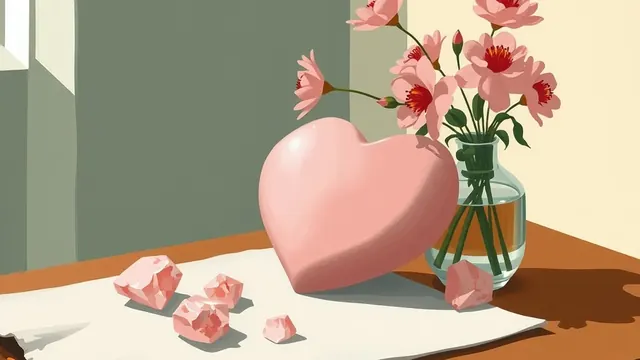 Rose QuartzSoft pink quartz, linked in tradition with love and self-compassion, and best used as a cue for kindness.
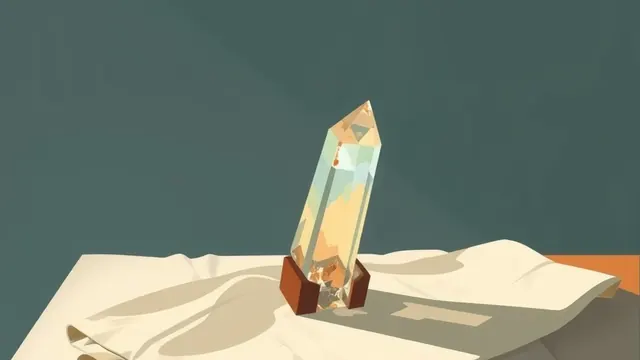 Clear QuartzThe colorless "all-purpose" crystal, its link with clarity and focus, and the real physics behind its reputation.
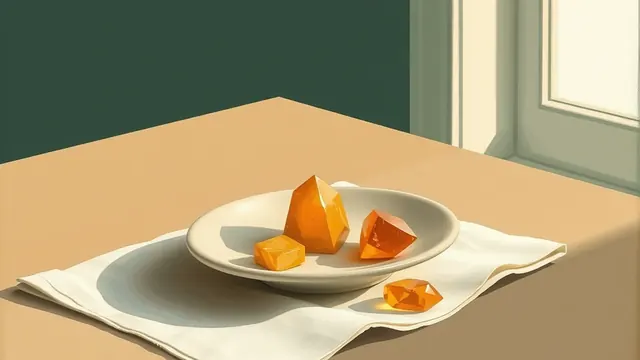 CitrineGolden quartz tied to confidence and abundance in tradition, plus the truth about heat-treated "citrine."
 Black TourmalineSchorl, the striated black stone tied to protection beliefs, plus the truth about EMF claims.
 SeleniteThe soft white gypsum stone linked with peace and the moon, and why it should never get wet.
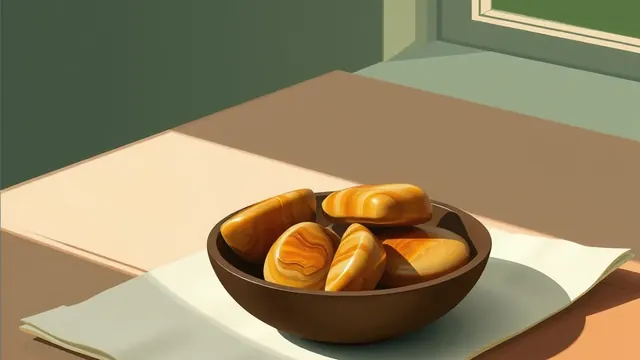 Tiger's EyeThe golden, shimmering quartz tied to courage and focus, with the mineral facts behind its shine.
 LabradoriteThe gray feldspar that flashes blue and green, linked in crystal lore with intuition and change.
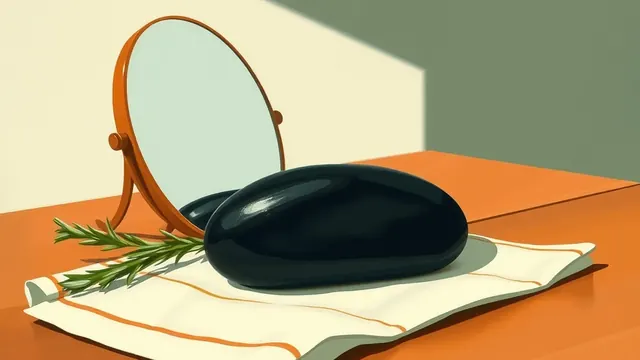 ObsidianNatural volcanic glass linked with grounding and honest reflection, plus how to handle its sharp edges.
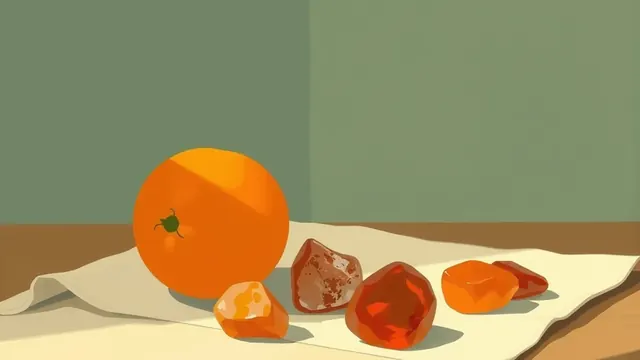 CarnelianAn orange-red chalcedony linked with creativity and courage, and how to tell it from dyed agate.
 MoonstoneA softly glowing feldspar tied to the moon, cycles and intuition in crystal belief, with care and buying tips.
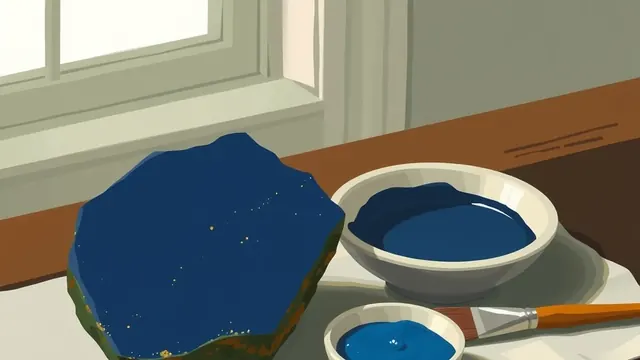 Lapis LazuliThe deep blue stone behind ultramarine paint, linked with truth and wisdom, plus how to care for it.
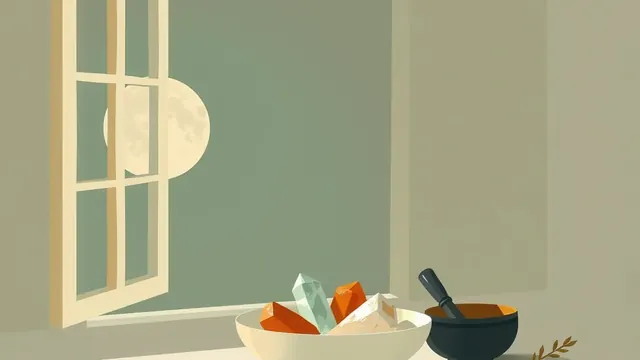 Cleanse CrystalsEvery common cleansing method, which stones each one can harm, and the safety rules that matter.
The 11 stones at a glance
Hardness is on the Mohs scale, where 10 is diamond and higher numbers resist scratching better. "Water-safe" means a quick rinse and dry is generally fine; it never means soaking for hours.
| Stone | Color | Mineral family | Hardness (Mohs) | Traditional associations | Water-safe? |
|---|---|---|---|---|---|
| Amethyst | Purple | Quartz | 7 | Calm, clear thinking, intuition | Quick rinse only |
| Rose quartz | Pale pink | Quartz | 7 | Love, self-compassion, gentleness | Quick rinse only |
| Clear quartz | Colorless | Quartz | 7 | Clarity, focus, "all-purpose" | Yes |
| Citrine | Yellow to orange | Quartz | 7 | Confidence, optimism, abundance | Quick rinse only |
| Black tourmaline | Black | Tourmaline (boron silicate) | About 7-7.5 | Grounding, protection | Quick rinse only |
| Selenite | White, silky | Gypsum | About 2 | Peace, "cleansing" | No |
| Tiger's eye | Gold-brown bands | Quartz | About 7 | Courage, focus, steadiness | Quick rinse only |
| Labradorite | Gray with blue-green flash | Feldspar | About 6-6.5 | Intuition, change, imagination | Quick rinse only |
| Obsidian | Glossy black | Volcanic glass | About 5-5.5 | Honesty, shadow work, grounding | Quick rinse only |
| Carnelian | Orange to red | Chalcedony (quartz) | About 6.5-7 | Creativity, courage, vitality | Quick rinse only |
| Moonstone | Milky with soft glow | Feldspar | About 6-6.5 | Intuition, cycles, rest | Quick rinse only |
| Lapis lazuli | Deep blue, gold flecks | Rock (mostly lazurite) | About 5-5.5 | Truth, wisdom, communication | No soaking |
Colored stones such as amethyst, rose quartz and citrine can fade in long, direct sunlight. Soft stones such as selenite and lapis lazuli scratch easily and dislike water and chemicals. Our guide on how to cleanse crystals lists which cleansing methods are unsafe for which stones.
How to read a crystal meaning
Most of the meanings you'll see online come from the modern crystal movement that grew out of New Age spirituality in the 1970s and 1980s. Some draw on much older sources: amethyst's name comes from an ancient Greek word, and lapis lazuli was prized in the ancient world. But the specific lists of "properties" are recent, and different books and sellers often disagree.
A useful way to hold all of this:
- The mineral facts are real. Hardness, color, chemistry and where a stone forms can be checked.
- The associations are tradition. They tell you what a stone has come to symbolize, not what it does.
- The meaning you give it matters most. A stone works as a focus object because you decide what it reminds you of.
Small experiments that gave people either real crystals or convincing fakes found that both groups reported similar sensations. That points to expectation and attention, not the stone, as the source of what people feel. You can still enjoy crystals fully while knowing this.
Choosing a stone
There's no wrong way to start, but a few honest guidelines help.
- Start with the intention, not the stone. Decide what you want to practice, such as patience, self-kindness or follow-through, then pick a stone whose traditional meaning fits.
- Let your eye decide between options. If two stones fit, choose the one you find more beautiful. You'll look at it more.
- Think about where it will live. A soft stone like selenite suits a shelf, not a pocket. A hard quartz handles daily handling better.
- Buy one, not a set. One stone used with attention does more for your practice than a drawer full of them.
Many people also choose by color and chakra. The modern chakra system pairs violet with the crown, pink and green with the heart, and so on; our guides to the chakras and chakra colors explain where those pairings come from.
Buying honestly
Crystal shopping comes with a few traps. Much citrine is heat-treated amethyst, a lot of carnelian is dyed agate, and much "selenite" is actually satin spar gypsum. Glass and resin imitations are common for nearly every popular stone. None of this makes a stone useless as a focus object, but you deserve to know what you're paying for.
Ask sellers where a stone was mined and whether it has been treated. Be wary of any listing that says a crystal will heal illness, block radiation or bring money; those claims have no evidence behind them. The same warning signs show up in spiritual courses, and our guide to red flags covers them.
Where crystals fit in a wider practice
A stone works best as part of something you actually do. Hold one during a few minutes of meditation, keep one beside your journal while you work through manifestation journal prompts, or place one where you'll see it when you need to remember an intention. Explore the rest of our Energy section for related practices like chakra work and reiki.
Want a structured program to go deeper?
Reading is a start. Some people do better with a guided course they can follow day by day. This button opens a manifestation or meditation program from one of our advertising partners.
See the partner program →We may be paid when you click. The program shown can change. Read its terms before you buy anything. How this works