Sacral Chakra (Svadhisthana): Meaning and Practices

The sacral chakra, called Svadhisthana in Sanskrit, is the second of the seven chakras and sits in the lower belly, a few inches below the navel. In yogic and tantric belief it is the center of creativity, pleasure, emotion and connection with others. Its modern color is orange, its element is water and its seed mantra is VAM.
The sacral chakra belongs to a spiritual framework, not to anatomy, and there is no scientific evidence that it exists as a physical structure. As a reflection tool, though, it points at something real: how much room you give yourself to feel, play and make things. For the full seven-chakra map and its history, see our chakras hub.
What Svadhisthana means
Sva means "self" and adhisthana means "seat," "dwelling" or "base." Svadhisthana is usually translated as "one's own abode" or "the dwelling place of the self." Some teachers read this as a hint that your emotional life is a home you live in, not a problem to manage.
Traditional texts picture it as a lotus with six petals, often with a crescent moon representing water. Some sources link it to the sense of taste. As with all the chakras, the exact petal colors, deities and symbols vary between texts and lineages.
Sacral chakra at a glance
| Feature | Sacral chakra |
|---|---|
| Sanskrit name | Svadhisthana ("one's own abode") |
| Location | Lower belly, below the navel |
| Modern color | Orange |
| Element | Water |
| Seed syllable | VAM |
| Traditional symbol | Six-petaled lotus with a crescent moon |
| Sense often linked | Taste |
| Core themes | Creativity, pleasure, emotion, intimacy, play |
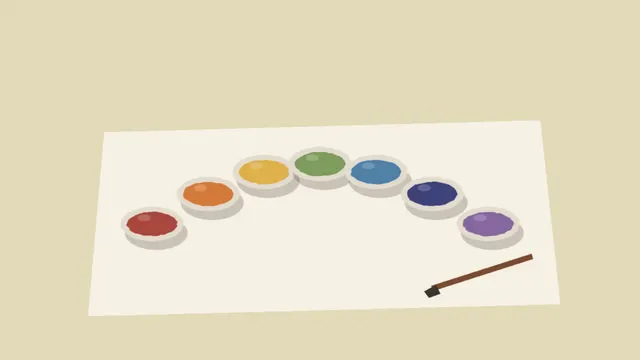
If you're curious why orange, and why the whole system follows a rainbow, our guide to chakra colors and meanings explains how the modern color scheme came about and how people use it in practice.
Themes of the sacral chakra
Water is the key image here. Practitioners describe the sacral chakra as the place where feelings move, change and flow rather than freeze. Its themes include:
- Creativity: making things for the joy of it, not only for results.
- Pleasure: enjoying food, music, touch, color and rest without guilt.
- Emotion: letting feelings rise and pass instead of bottling them up.
- Relationships: healthy closeness, intimacy and mutual give-and-take.
Some modern teachers also associate this chakra with the hips, lower back and reproductive organs. That is a symbolic association, not medical fact. Any physical symptom in this area, including pain or changes in your cycle, is a reason to see a doctor.
Balanced, blocked or overactive
These descriptions are emotional and behavioral themes practitioners use for reflection. They are not a way to diagnose anything.
- Balanced: You can enjoy a good meal or a free afternoon without earning it first. You start creative projects for fun, feel your emotions without being swept away, and let people close while keeping your boundaries.
- Blocked or underactive: Life feels flat or gray. You might notice you haven't made anything just for yourself in months, that you feel numb rather than sad or happy, or that fun always comes after the to-do list, which never ends.
- Overactive: Feelings run the show. You might swing between highs and lows, chase pleasure to avoid discomfort, or lose your sense of self inside other people's moods.
Everyone drifts between these. Grief, burnout and big life changes can dull pleasure for a while. If numbness, low mood or emotional swings last or feel heavy, talk to a doctor or licensed therapist; that's real care, not a chakra fix.
Practices for the sacral chakra
Sacral practices tend to be fluid, sensory and a little playful. Perfection isn't the goal; movement is.
Wave breathing
- Sit or lie down and place both hands on your lower belly.
- Breathe in slowly and let your belly rise into your hands like a wave coming in.
- Breathe out and feel the wave pull back.
- Continue for two or three minutes, letting the rhythm be soft and uneven if it wants to be.
Hip circles and flowing movement
Stand with feet hip-width apart and slowly circle your hips, five times each direction. Then try cat-cow on your hands and knees, pigeon pose or a wide-legged goddess pose. Put on one song and move however feels good, with no steps to follow. Stay within a comfortable range, and check with a doctor or physical therapist if you have hip or back problems.
A small creative "date"
Once a week, give yourself 30 minutes to make something with no goal attached. Sketch with crayons, bake without a recipe, rearrange a shelf, write a terrible poem on purpose. The point is to practice enjoying the process.
Time near water
Water is this chakra's element, so practitioners often suggest a slow bath, a walk by a lake or river, or simply washing dishes with full attention to the warmth of the water. You can chant VAM softly on each exhale while you do it.
Affirmations
- "I'm allowed to enjoy this moment."
- "My feelings can move through me."
- "I make things because I like making them."
Sacral chakra journal prompts
Choose one and write for ten minutes without editing:
- What did I love doing at age ten that I never do now?
- Which emotion do I tend to skip over, and what happens when I let it stay for a minute?
- What does a truly lazy, pleasurable Sunday look like for me, hour by hour?
- In which relationship do I give more than I receive, and how does that feel in my body?
- What would I create if no one would ever see it?
Then circle one idea and put it on your calendar this week.
How the sacral connects to its neighbors
The sacral chakra sits between two very different centers. Below it, the root chakra handles safety, and practitioners often say it's hard to play when you don't feel secure, so sacral work sometimes starts with grounding. Above it, the solar plexus chakra turns feeling into action, which is where a creative spark becomes a finished project.
To weave sacral practices into a routine for all seven centers, our chakra balancing guide covers breath, movement and journaling options.
Relationships, harmony and the sacral chakra
Because this chakra is linked with closeness and emotional exchange, many people turn to it when a relationship feels out of balance. In angel-number belief, 2222 carries a similar message of harmony and partnership, and some people pair the two as reflection prompts. Either way, the practice only becomes real when you act on it: an honest talk, a boundary, or simply more time spent enjoying the people you love.
Want a structured program to go deeper?
Reading is a start. Some people do better with a guided course they can follow day by day. This button opens a manifestation or meditation program from one of our advertising partners.
See the partner program →We may be paid when you click. The program shown can change. Read its terms before you buy anything. How this works
Frequently asked questions
What is the sacral chakra responsible for?
In chakra belief, the sacral chakra is linked with creativity, pleasure, emotions and relationships. It isn't responsible for any body function in a medical sense, so physical symptoms are a reason to see a doctor.
What color is the sacral chakra?
In the modern Western system the sacral chakra is orange. Traditional texts describe it with different colors and imagery, so orange is a modern convention rather than an ancient rule.
How do you open the sacral chakra?
Practitioners use playful, flowing practices such as hip circles, dance, creative projects, time near water and chanting the seed syllable VAM. These are reflective practices, not treatments.