The Third Eye Chakra (Ajna) and How to "Open" It
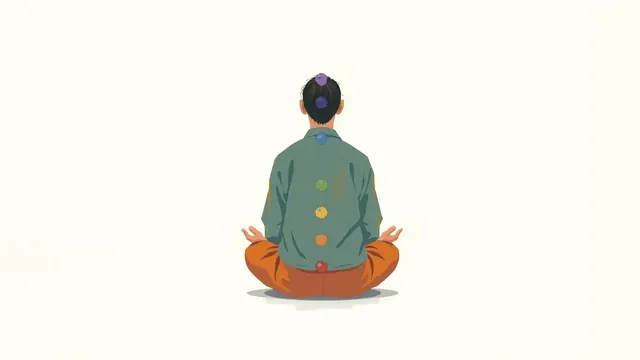
The third eye chakra, called Ajna in Sanskrit, is the sixth of the seven chakras. In yogic and tantric belief it sits between the eyebrows and governs intuition, imagination and inner clarity. In the modern system its color is indigo and its seed mantra is OM (also written AUM).
"Opening your third eye" is best understood as a meditation and self-reflection practice, not a path to psychic abilities. Like all chakras, Ajna is a spiritual framework with no scientific evidence as a physical structure. For the full system, see our guide to the seven chakras.
What does Ajna mean?
Ajna is usually translated as "command," "authority" or "perception." In some tantric texts, this is the center where a student receives guidance, sometimes described as the teacher's command reaching the inner self. Today most people read it more simply: the place where you perceive what is true for you, beyond surface noise.
Third eye chakra at a glance
| Feature | Traditional or common association |
|---|---|
| Location | Between the eyebrows, slightly above |
| Color (modern) | Indigo, sometimes deep purple |
| Element | Often described as beyond the five elements; some modern teachers say "light" or "mind" |
| Seed mantra | OM / AUM |
| Lotus petals | 2 in many traditional descriptions |
| Core themes | Intuition, insight, imagination, perspective |
Traditional sources picture this lotus very differently from the indigo disc you see on posters, and texts don't fully agree with each other. The table reflects the common modern version.
About the pineal gland
You'll often read that the third eye "is" the pineal gland, a small gland deep in the brain. This is a modern idea, not established science. The philosopher René Descartes famously speculated in the 1600s that the pineal gland was the seat of the soul, and later esoteric writers in the 19th and 20th centuries tied it to the third eye. Those were philosophical and spiritual ideas, not findings.
There is no scientific evidence that the pineal gland is a spiritual organ or that any practice, food or supplement can "decalcify" or "activate" it for intuition. Be cautious with products that promise this. Before buying anything that promises to "activate" your third eye, read our red flags in spiritual programs.
Themes: intuition without the hype
In this tradition, intuition isn't mind reading or seeing the future. A more grounded way to think about it is quiet knowing: the hunch that a plan is off, the sense that a friend is struggling, the idea that arrives in the shower. Many people believe these hunches draw on things you've noticed but not yet put into words.
Third eye themes include:
- Insight. Seeing a situation clearly, including your own part in it.
- Imagination. The ability to picture possibilities, which is also why visualization practices are tied to this center.
- Perspective. Stepping back from the moment to see the bigger pattern.
- Discernment. Telling the difference between a real hunch and plain fear or wishful thinking.
That last one matters. A useful third eye practice includes checking your hunches against facts, not just trusting them because they feel strong.
Balanced, blocked and overactive: what practitioners describe
These are emotional and behavioral patterns used for reflection, not symptoms or diagnoses.
| State | What practitioners describe |
|---|---|
| Balanced | You trust your judgment, stay curious, can imagine options and still check them against reality. |
| Blocked or underactive | Second-guessing every decision, relying on others to tell you what to do, feeling creatively flat, dismissing your own perceptions. |
| Overactive | Getting lost in daydreams or overthinking, seeing hidden meaning in everything, ignoring evidence in favor of a "feeling." |
Headaches, vision changes or sleep problems are reasons to see a doctor. If you experience visions, voices, or a sense that reality feels unreal, please talk to a doctor or licensed therapist rather than treating it as a spiritual milestone.
How to "open your third eye": a practice plan
The steps below are contemplative practices. They build attention and self-awareness. A broader chakra balancing routine covers all seven centers; these steps lean into Ajna.
- Brow-point focus (5 minutes). Sit upright with eyes closed. Rest your attention gently at the point between your eyebrows without straining your eyes upward. Breathe slowly. When your mind wanders, return to that point. In yoga this kind of focal point is called a drishti.
- Chant OM (3 minutes). On each exhale, chant a long "aaa-uuu-mmm" and let the hum fade. Notice the silence afterward, which many teachers consider the real point of the practice.
- Candle gazing, or trataka (2-3 minutes). Place a candle at eye level about an arm's length away. Look softly at the flame, then close your eyes and watch the afterimage fade. Blink as needed. Never leave the flame unattended. Skip this if you have an eye condition or are sensitive to flickering light.
- Hunch log (daily, 2 minutes). Write down one hunch each day: "I think this meeting will run long," "My sister seems off." Later, note what happened. Over a few weeks you'll learn which hunches tend to be useful and which are anxiety in disguise.
- Dream notes (mornings). Keep a notebook by your bed and jot any images or feelings from dreams. Treat them as material for reflection, not predictions.
Give the plan a few weeks before deciding how it's going. What most people report is calmer focus and better access to their own thinking, which is valuable on its own.
A short third eye journal
- What did I sense about a situation this week before I could explain it?
- When has a strong feeling turned out to be wrong? What was it really about?
- What decision am I waiting for someone else to make for me?
- If I stepped back ten feet from my current problem, what would I see?
Where Ajna sits among the chakras
The third eye sits between the voice and the crown. Just below it, the throat chakra is where insight gets expressed, so practitioners often work them together: first notice, then say. Just above, the crown chakra carries the theme of connection to something larger, which many teachers see as where insight opens into a sense of meaning.
For a full guided practice that moves through all seven centers, try our step-by-step chakra meditation. And if you keep seeing 777 while exploring intuition, you might enjoy reading how angel number believers connect 777 with inner wisdom and reflection.
The grounded takeaway
The third eye is a symbol for the part of you that notices, imagines and understands. You won't gain supernatural sight by meditating on it, and no one should sell you that idea. What you can gain is a steadier mind, a clearer relationship with your hunches, and the habit of looking a bit deeper before you decide.
Want a structured program to go deeper?
Reading is a start. Some people do better with a guided course they can follow day by day. This button opens a manifestation or meditation program from one of our advertising partners.
See the partner program →We may be paid when you click. The program shown can change. Read its terms before you buy anything. How this works
Frequently asked questions
How do you open your third eye?
In practice, "opening your third eye" means building steady meditation and reflection habits: focusing attention between the eyebrows, candle gazing, dream journaling and noticing your hunches. It is a contemplative practice, not a way to gain psychic powers.
Is the third eye the pineal gland?
Linking the third eye to the pineal gland is a modern idea, not established science. The pineal gland is a real gland in the brain, but there is no evidence that it is a spiritual eye or that it can be "activated."
What happens when your third eye opens?
Practitioners describe things like clearer thinking, more vivid imagination and better trust in their own judgment. Experiences vary, and if you notice unusual visions, voices or distress, talk to a doctor or licensed therapist.