Meditation for Anxiety: Gentle Practices That Keep You Grounded
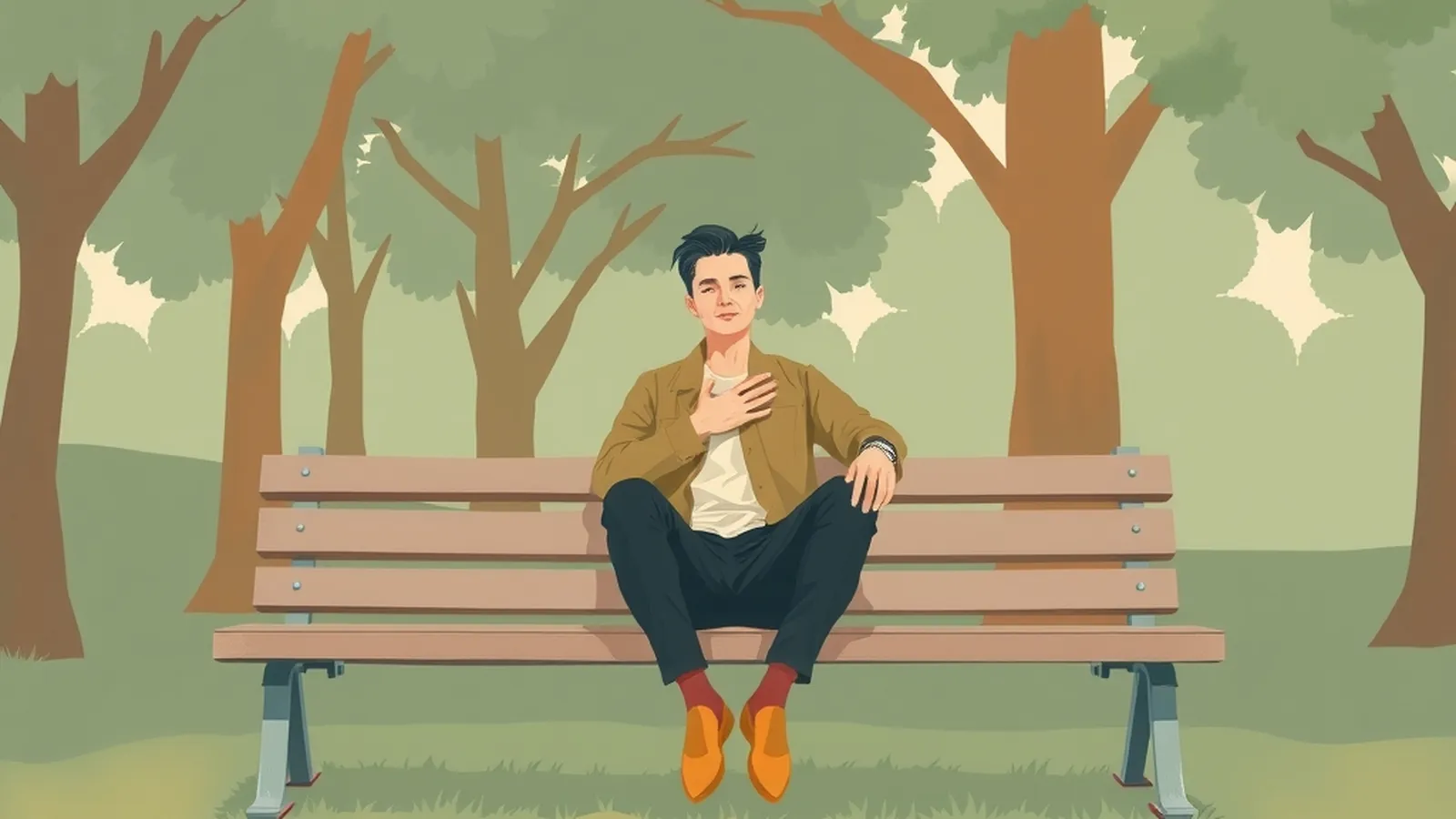
Meditation for anxiety means using short, grounding practices that steady your attention in the present moment, usually by focusing on the room around you, your feet on the floor, or a slow breath. Rather than trying to make anxious feelings vanish, you learn to notice them without getting swept along. It works best as a regular habit practiced on calmer days, not as an emergency fix.
This guide is part of our overview of types of meditation. It focuses on gentle, eyes-open options, because the usual "close your eyes and go inward" advice doesn't suit everyone who feels anxious.
Where these practices come from
There's no single tradition called "meditation for anxiety." Most of the practices people use draw on Buddhist-rooted mindfulness, which was adapted for modern clinical and everyday settings starting in the late 1970s. Grounding exercises, which focus on the senses and the physical world, are also widely used by therapists and counselors as simple coping tools.
What these approaches share is a shift in relationship. Instead of arguing with an anxious thought, you notice it, name it, and return to something steady and real, like the feeling of a chair under you.
Why "just close your eyes" can backfire
Many people are surprised to find that sitting still with their eyes closed makes them more anxious. Without anything outside to focus on, attention can lock onto a fast heartbeat, a tight chest or a looping worry. That can feel like proof something is wrong, which feeds more worry.
If that happens to you, it doesn't mean you're bad at meditation. It means you need a practice that keeps one foot in the outside world. All of the options below can be done with your eyes open.
A 3-minute eyes-open script: name it, place it, widen
This is a short practice you can do sitting at a desk, in a parked car, or on the edge of your bed. Read it through a couple of times on a calm day so it's familiar when you need it.
- Plant your feet. Sit with both feet flat on the floor. Press them down gently and feel the floor push back. Keep your eyes open, resting on a spot a few feet ahead.
- Name it. Silently put a plain label on what you're feeling: "worry," "dread," "restless," "tight." One or two words is enough. Naming a feeling can make it seem a little less shapeless.
- Place it. Ask yourself where you notice it in your body. A flutter in the stomach? Heat in the face? A fist in the chest? Just locate it, like pointing to a spot on a map. You don't need to change it.
- Breathe out slowly. Take three breaths where the out-breath is a bit longer than the in-breath. No holds, no counting pressure.
- Widen to the room. Now let your attention move outward. Find five things you can see. Name them quietly: "blue mug, window latch, cord, shadow, plant."
- Add sound and touch. Notice two sounds, near or far. Then notice the texture of something you're touching: a sleeve, the chair arm, your own palms.
- Check back in. Return briefly to the spot where you placed the feeling. It may be the same, smaller, or shifted. Whatever it is, you've spent three minutes noticing instead of spiraling.
- Choose a next small action. Stand up, drink some water, send the email, step outside. Ending with an action helps your body register that the moment has passed.
Other options when sitting still is too much
- Walking meditation. Moving can be easier than sitting when you feel keyed up. Walk slowly and pay attention to each foot touching the ground. Our walking meditation guide has full steps.
- Hands-on grounding. Hold something with a distinct texture or temperature, like a smooth stone or a cool glass, and describe it to yourself in detail.
- Slow breathing. A gentle, longer exhale is a simple place to start. Our breathing techniques guide covers four patterns; the extended exhale, with no breath holds, is usually the most comfortable for anxious moments. Skip breath holds if they make you feel uneasy.
- Kind phrases. Some people find that anxiety comes with harsh self-talk. Loving-kindness meditation uses warm phrases like "May I be safe" to soften that inner voice.
Building a habit on calmer days
The practices above are easier to reach for in a hard moment if you've rehearsed them when things are okay. A few minutes a day of mindfulness meditation, the broader practice of noticing the present without judging it, builds the "notice and return" skill that grounding relies on.
Start very small. Two to five minutes is plenty. Keep your eyes open if that feels safer, and stop any time you want. More meditation is not automatically better; a short practice you actually do beats a long one you dread.
Who it suits, and who might prefer something else
These grounding practices tend to suit people with everyday worry or stress: nerves before a meeting, a busy mind on Sunday nights, tension after hard news.
They are not enough on their own for panic disorder, severe anxiety, or anxiety linked to trauma. If close attention to your body brings up flashbacks or overwhelming feelings, stop and work with a licensed therapist, ideally one experienced in trauma, who can help you find approaches that feel safe.
Common difficulties
"I notice my heartbeat and panic." Shift attention away from the chest. Focus on your feet, your hands, or what you can see and hear.
"I can't stop the thoughts." You aren't supposed to. The aim is to notice a thought, label it ("planning," "what-if"), and come back. Fifty returns in five minutes is still practice.
"I feel worse afterward." Take that seriously. Try shorter sessions, a movement-based option, or no meditation for a while, and talk to a doctor or therapist about what you're experiencing.
What research says
Research on meditation and anxiety is active, and some studies suggest mindfulness-based programs may help some people feel less stressed or worried. Results vary from person to person, and meditation is not a substitute for medical or psychological care. Proven treatments for anxiety exist, and a doctor or licensed therapist can help you explore them.
Be wary of apps, courses or retreats that promise to "eliminate" anxiety. Our guide to program red flags covers what to watch for.
A grounding idea from energy traditions
In chakra belief, the root chakra at the base of the spine is linked with feeling safe and steady. That's a spiritual framework rather than a scientific one, but its focus on feeling your feet, the floor and the earth beneath you overlaps neatly with the grounding steps above. Some people enjoy combining the two.
Want a structured program to go deeper?
Reading is a start. Some people do better with a guided course they can follow day by day. This button opens a manifestation or meditation program from one of our advertising partners.
See the partner program →We may be paid when you click. The program shown can change. Read its terms before you buy anything. How this works
Frequently asked questions
Can meditation cure anxiety?
No. Meditation is not a treatment for anxiety disorders, though some people find it a helpful daily habit alongside proper care. If anxiety is ongoing or affects your daily life, talk to a doctor or licensed therapist.
Why does meditation sometimes make my anxiety worse?
Turning attention inward can make you more aware of a racing heart or anxious thoughts, which can feel alarming at first. Opening your eyes, focusing on the room or your feet, or switching to a walking practice often helps.
What is a quick meditation for an anxious moment?
Try naming what you feel, finding where you feel it in your body, then widening your attention to five things you can see in the room. It takes about two minutes and keeps you connected to your surroundings.