Visualization Meditation: A Step-by-Step Guide
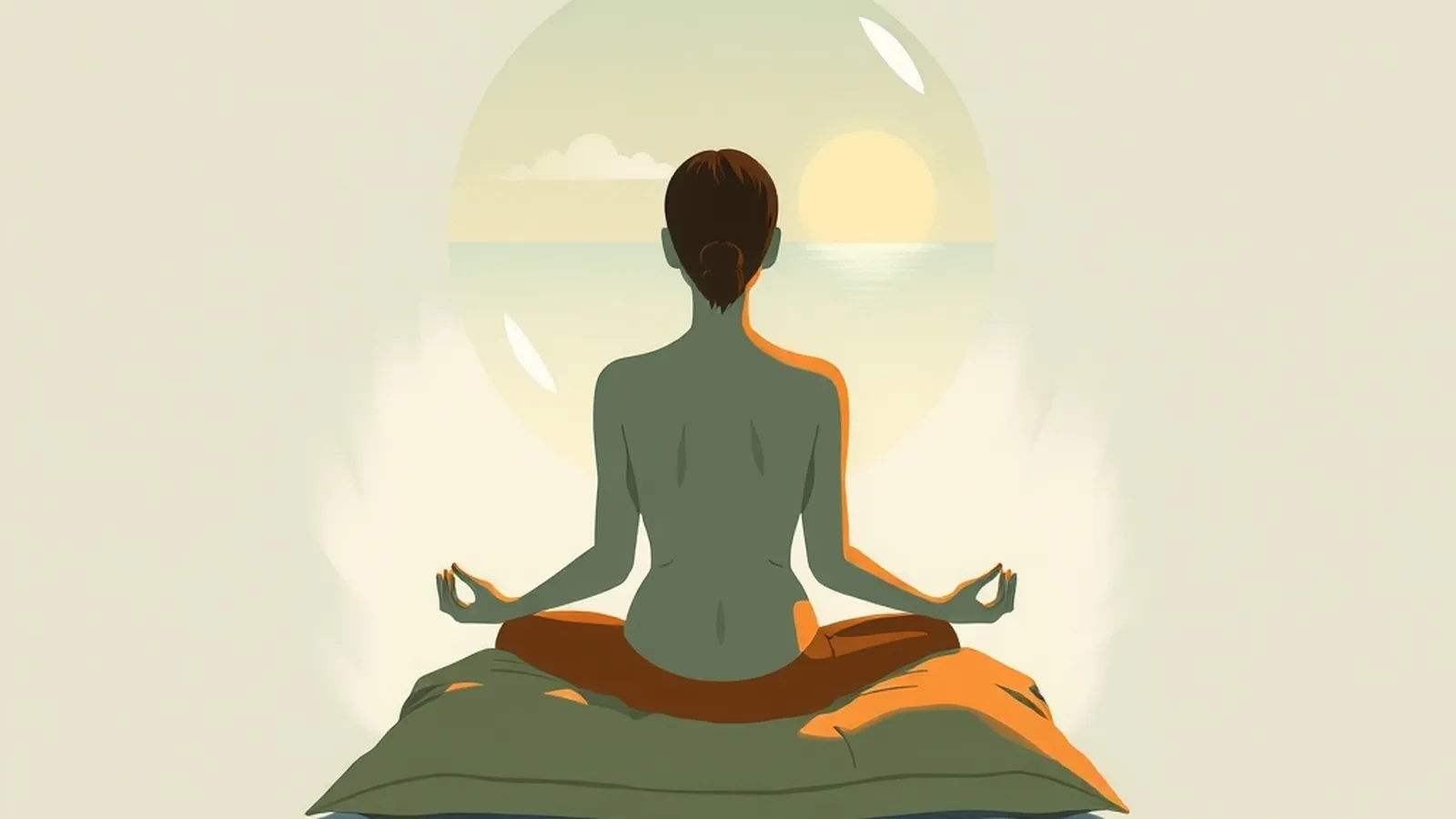
Visualization meditation is a practice in which you focus your attention on an imagined scene, image or sequence, such as a quiet place, a soft light or yourself handling a situation calmly. The image gives your mind something rich to rest on, which many people find easier than following the breath. It's used in several traditions and in everyday settings, from calm-place exercises to athletes mentally rehearsing a performance.
It's one of the most flexible styles in our guide to types of meditation.
Where visualization meditation comes from
Imagery has a long history in contemplative practice. Tibetan Buddhist traditions include detailed deity visualizations, some Hindu and yogic practices use images of light or sacred forms, and Christian contemplatives have long imagined scenes from scripture in prayer. These traditional practices are usually taught within their own teachings, often by a teacher.
The secular, everyday forms most people meet today, such as the "safe place" exercise or mental rehearsal before a task, grew up in the 20th century in relaxation training, sports coaching and wellness settings. They borrow the basic idea of focused imagery without the religious framework.
Four common kinds of visualization
| Kind | What you picture | Often used for |
|---|---|---|
| Calm place | A real or imaginary peaceful setting | Settling and slowing down |
| Light or color | A soft light moving through or around the body | Relaxation and focus |
| Rehearsal | Yourself doing a task with steadiness | Preparing for a challenge |
| Future self | A day in your life a year from now | Clarifying values and goals |
How to practice: a 12-minute "harbor" script
This script uses a calm place, but it isn't a beach or meadow. It's an old harbor at dusk, chosen because it gives you many senses to work with. Swap in any setting you like.
- Settle (1 minute). Sit or lie down. Close your eyes. Let three breaths go out a little longer than they come in.
- Arrive (2 minutes). Imagine you're standing at the end of a wooden pier. Feel the boards under your feet, slightly uneven and warm from the day. Notice whether you're wearing shoes.
- Look (2 minutes). The sky is turning orange and gray. Small boats are tied up, rocking gently. A lamp at the end of the pier has just come on. Let your eyes rest on one boat. What color is it? Is the paint fresh or peeling?
- Listen (2 minutes). Hear water lapping against the posts, a rope creaking, a gull somewhere far off. Let the sounds come and go without chasing them.
- Feel and smell (2 minutes). Notice a cool breeze on your face, the salt in the air, the faint smell of rope and wood.
- Rest (2 minutes). Sit down on the edge of the pier. Let the scene go quiet. There's nothing to do here. When your mind wanders to real-life worries, notice it and return to one detail, like the lamp or the sound of water.
- Return (1 minute). Know that you can come back here any time. Feel your real body in the chair or bed, the real sounds of the room. Open your eyes slowly.
A short rehearsal practice
Rehearsal visualization is useful before something you feel nervous about, like a job interview or a hard conversation:
- Picture the room and who will be there.
- See yourself walking in, sitting down and breathing slowly.
- Imagine one tricky moment, such as a question you don't know how to answer, and watch yourself pause, take a breath and respond honestly.
- Picture the moment you leave, feeling that you did what you could.
Then do the real preparation: research, practice answers out loud, plan what you want to say. The visualization helps you feel familiar with the situation; the preparation is what gets you ready.
Visualization and manifestation
Many people come to visualization through manifestation, where picturing a goal is a central idea. Imagining something does not cause it to happen, and there's no scientific evidence that it does. What picturing a goal can genuinely do is help you get clear about what you want, keep it in mind and stay motivated, as long as you pair it with concrete steps. If you like making that picture tangible, a vision board turns the same idea into something you can see every day.
Related practices
Loving-kindness meditation often adds imagery, such as picturing the person you're sending goodwill to, so it's a good companion if you want visualization with more warmth. Yoga nidra includes a fast stage of images inside a longer, guided rest, which suits you if you like imagery but want to lie down. And a short visualization of how you want your day to go fits naturally into morning meditation.
Who visualization meditation suits
It suits people who think in pictures, who find the breath too boring to hold their attention, or who want to prepare mentally for specific events. It also tends to work well for people who enjoy guided recordings.
You might prefer another style if imagery feels effortful or distracting. A simple anchor like a word in mantra meditation or the sensations of a body scan may feel more natural.
Common difficulties
"I can't see anything." Many people don't. Focus on whichever sense is easiest, perhaps the sound of water or the feel of wood. Knowing that the boat is blue counts, even if you can't see blue.
"The scene keeps changing." That's fine. Let it shift, or gently steer back to one detail.
"I end up imagining things going wrong." If rehearsal turns into worrying, switch to a calm-place script or open your eyes and feel your feet on the floor. If anxious images or distressing memories keep coming up, talk to a doctor or licensed therapist.
"I'm visualizing my goals but nothing is changing." Visualization is the thinking part. Pick one small action toward the goal and do it today.
What research says
Research on imagery and mental rehearsal is active, especially in sports and performance. Some studies suggest guided imagery may help people feel more relaxed, though results vary. Visualization meditation is not a medical treatment and doesn't replace care from a doctor or mental health professional.
For the basics of sitting and building a habit, see our meditation for beginners guide.
Want a structured program to go deeper?
Reading is a start. Some people do better with a guided course they can follow day by day. This button opens a manifestation or meditation program from one of our advertising partners.
See the partner program →We may be paid when you click. The program shown can change. Read its terms before you buy anything. How this works
Frequently asked questions
What if I can't visualize anything?
Many people don't form clear mental pictures, and some don't form them at all, which is sometimes called aphantasia. You can work with sounds, textures, temperatures or simply the idea of a place, and the practice still works as a focus.
Is visualization meditation the same as manifesting?
Not exactly. Visualization meditation is a way to focus attention and settle. Some people also use it to picture goals, but imagining something doesn't make it happen on its own; it can help with clarity and motivation when paired with real action.
How long should a visualization meditation be?
Ten to fifteen minutes is enough for most scripts. Shorter rehearsals of two or three minutes also work, for example before a conversation you feel nervous about.