Dreams About Teeth Falling Out: What They Mean
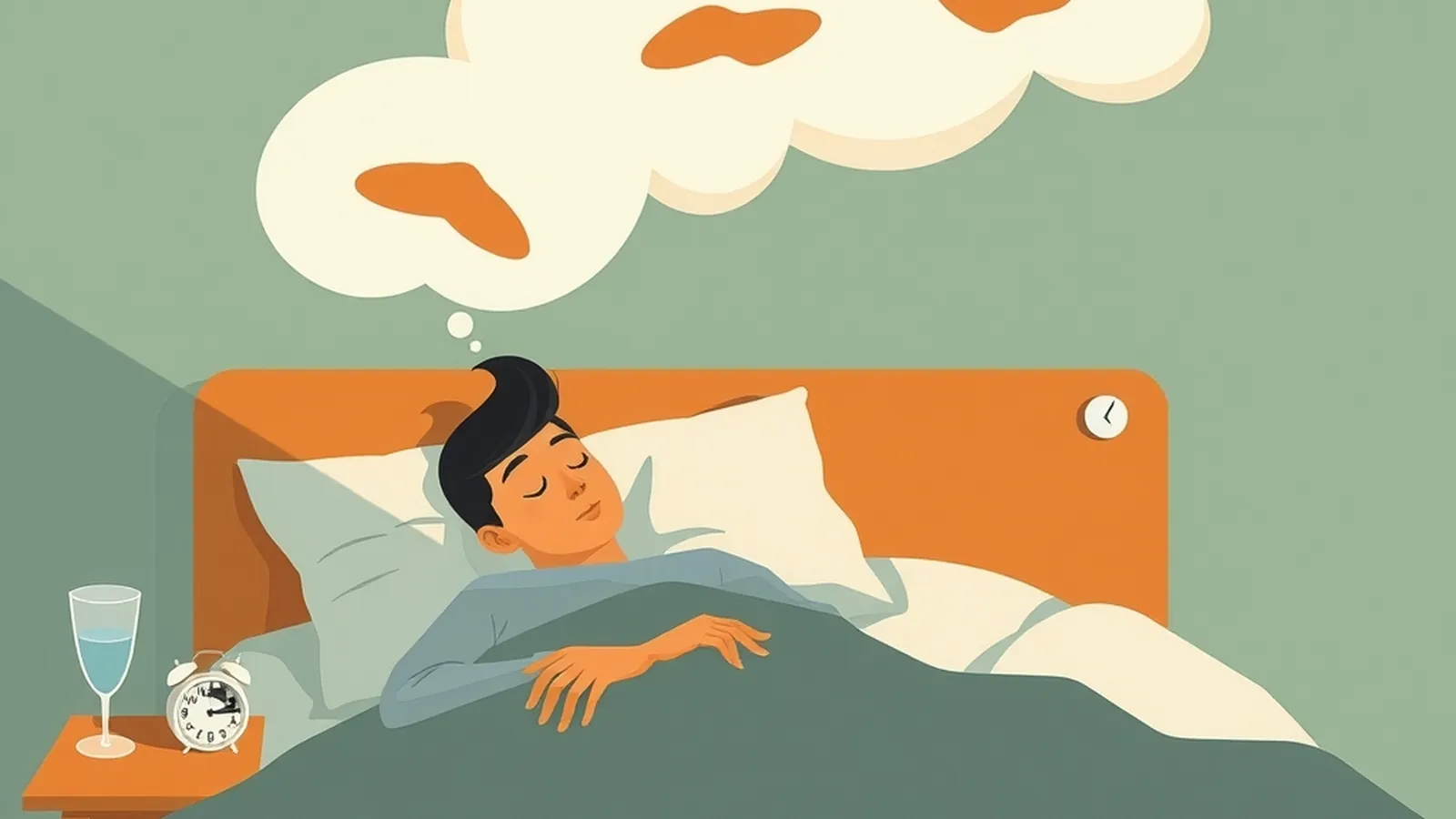
Dreams about teeth falling out are one of the most common dream themes people report. Psychology links them to stress, big changes and how you see yourself, and there's no evidence that they predict anything. Spiritually, many people read them as a symbol of transition, letting go or finding your voice.
Curious about other dreams and symbols? Our spiritual meanings hub collects them in one place. We'll look at the psychology first, then the symbolic readings, then a simple way to work with the dream when you wake.
Why this dream feels so intense
Teeth dreams tend to be vivid and physical. Teeth might crumble, loosen one by one, or fall into your hand while you try to talk. Many people wake up running their tongue over their teeth just to check. That jolt of relief is part of why the dream sticks with you.
It's also a dream about something we rarely think about while awake. Teeth are tied to eating, speaking, smiling and how others see us, so losing them in a dream can touch several worries at once.
What psychology says
Dreams aren't fully understood, but psychology generally links their content to what's on your mind: stress, change, unresolved feelings and self-image. There is no evidence that dreams predict events, including losses, illness or bad luck. You may see claims online that this dream is an omen. It isn't something to fear.
Common themes people connect to teeth dreams include:
- Stress and pressure. Busy, uncertain periods often bring more vivid or unsettling dreams.
- Change and transition. A new job, a move, a breakup or a new stage of life can show up as something falling away.
- Self-image and appearance. Teeth are front and center when we smile, so the dream may reflect worry about how you come across.
- Communication. Losing teeth mid-sentence can mirror a fear of saying the wrong thing, or not being heard.
- Loss of control. Something you assumed was solid suddenly isn't.
There may be a physical piece too. Tooth grinding or clenching during sleep may play a role in these dreams for some people. If you often wake with a sore jaw, headaches or tender teeth, that's worth raising with a professional.
What people believe it means spiritually
Beyond psychology, many people look for symbolic meaning in this dream. The readings below are interpretations shared in modern spiritual and dream-work circles, not facts. Use whichever ones feel useful and leave the rest.
Transformation and shedding. Losing baby teeth is one of childhood's first big transitions, when something old falls away so something new can grow. Some people read the adult dream the same way: an old identity, habit or role is loosening.
Letting go. Believers often see the dream as a nudge to release something you've been gripping tightly, such as a plan, a relationship pattern or an expectation of yourself.
Your voice and self-expression. Since teeth are part of how we speak, some interpret the dream as being about words you're holding back or worry over how your words land.
Personal power and confidence. A strong bite is a symbol of strength in many stories. Losing it in a dream is sometimes read as a period of feeling less sure of yourself, and a cue to rebuild steadily rather than a sign of failure.
Some older folk sayings attach darker meanings to this dream. There's no evidence for those, and you don't need to carry them.
What to do when you wake up
A short morning routine can turn an unsettling dream into useful information.
- Ground yourself. Notice your feet on the floor, take three slow breaths, and remind yourself it was a dream.
- Write the details. Where were you, who was there, what were you trying to do when your teeth fell out? Write the feeling too: panic, embarrassment, calm.
- Find the waking echo. Ask, "Where in my life do I feel exposed, unsure or in the middle of a change?"
- Pick one small action. If the dream points to a hard conversation, draft the first line. If it points to stress, plan one restful thing today. If your jaw is sore, book that dental check.
If teeth dreams keep breaking up your nights, a calming wind-down may help you settle. Our guide to meditation for sleep walks through gentle options, and it also explains when ongoing sleep trouble needs a doctor.
Journal prompts
- What change in my life right now feels like something "falling away"?
- Is there something I want to say but keep swallowing?
- How do I want to be seen, and where do I feel that's under threat?
- What might grow in the space if I let one old habit or role go?
Related signs to explore
Teeth dreams belong with other strange but common experiences that have a clear psychological side. Deja vu is another everyday puzzle of the mind, linked by researchers to how the brain handles memory and familiarity. Ringing in the ears is a body signal people sometimes read spiritually, and it shows why health checks come before symbolism. And the crow, whose raven cousins Huginn and Muninn stand for "thought" and "memory" in Norse myth, fits well with dream work and paying attention to your inner world.
For more ways to reflect and grow, explore our spiritual growth guides.
Want a structured program to go deeper?
Reading is a start. Some people do better with a guided course they can follow day by day. This button opens a manifestation or meditation program from one of our advertising partners.
See the partner program →We may be paid when you click. The program shown can change. Read its terms before you buy anything. How this works
Frequently asked questions
Do dreams about teeth falling out predict death or bad luck?
No. There is no evidence that dreams predict events. Psychology links dreams about teeth to stress, change and how we see ourselves, so it's more useful to look at what's happening in your waking life.
Why do I keep dreaming my teeth are falling out?
Recurring teeth dreams often show up during stressful or uncertain periods. Tooth grinding during sleep may also play a role, so if your jaw or teeth feel sore when you wake, mention it to a dentist.
What does a teeth falling out dream mean spiritually?
Many people read it as a symbol of transformation, letting go of an old version of yourself, or worry about how you express yourself. These are interpretations, not facts, and they work best as prompts for reflection.