Sound Bath Meditation: What It Is and How to Try It
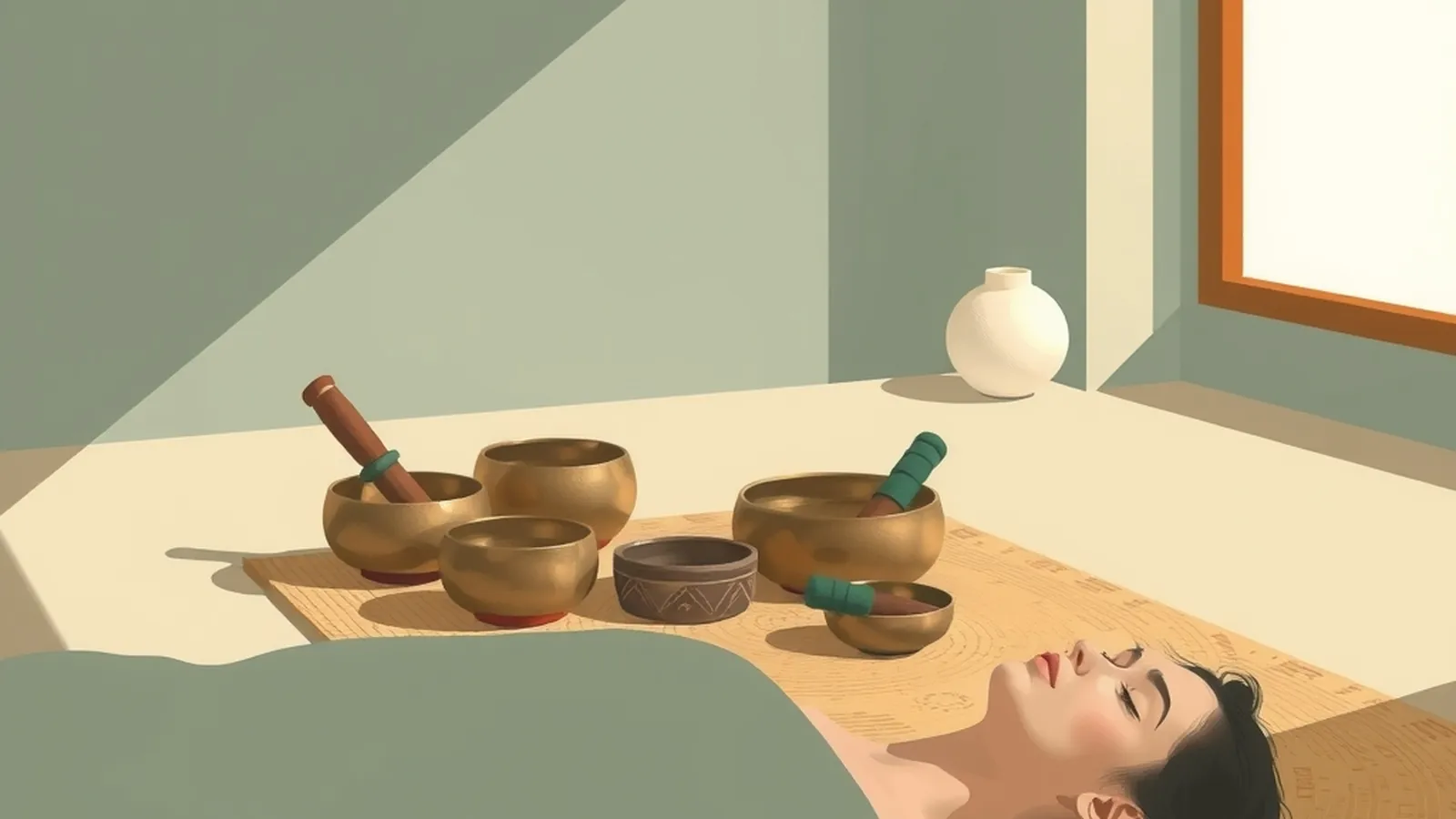
A sound bath is a meditation where you lie down or sit comfortably and let sustained tones from instruments like singing bowls, gongs and chimes "wash over" you. Instead of focusing on your breath or a mantra, you rest your attention on the sound itself: its start, its long fade, and the silence after. Sessions usually last 30 to 60 minutes in a group, but you can try a simple 10-minute version at home with one bowl.
Sound baths are one of 15 styles in our types of meditation guide. It covers where the practice comes from, what to expect in a class, and how to try it yourself safely.
Where sound baths come from
Sound has been part of spiritual practice for a very long time: chanting, drumming, bells and gongs appear in traditions around the world. The modern "sound bath," with a group lying on mats while a facilitator plays bowls and gongs, is a more recent wellness practice that grew popular in the West over the past few decades.
Singing bowls are often called "Tibetan," but their history is debated. Metal bowls have long been made and used across the Himalayan region, yet there's little clear record of them being used as "singing" meditation instruments in the way they are today. Many bowls sold now are made in Nepal and India. Crystal bowls, made from quartz glass, are a modern invention.
Gongs, chimes, tuning forks, rain sticks and drums are also common. Some facilitators add their voice.
What to expect at a group session
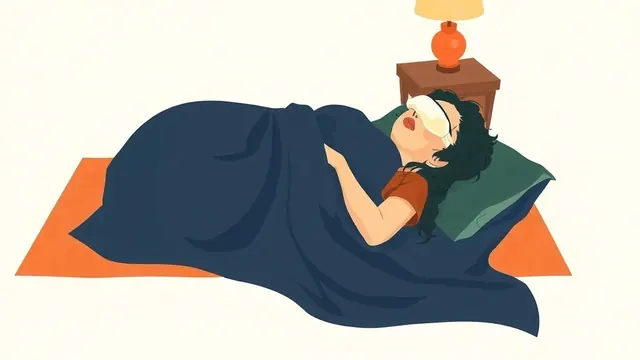
- Setting up. You'll usually lie on a mat with a pillow and blanket. An eye mask is often offered.
- A short introduction. The facilitator may guide a few breaths or set a theme.
- The sound. Instruments are played in waves, sometimes soft and spacious, sometimes building to a loud, rolling gong.
- Closing. The sound fades into silence, and you're invited to stay still for a few minutes before slowly sitting up.
You don't need to do anything. Many people drift in and out of a drowsy, dreamy state. Some fall asleep. Some feel restless for the first ten minutes, then settle.
A 10-minute one-bowl practice at home
You don't need a room full of instruments. One bowl and a mallet (sometimes called a striker) is enough. If you don't have a bowl, you can follow the same steps with a recording, at low volume.
- Set the bowl. Place the bowl on its cushion or a folded towel on a table or the floor in front of you. Sit comfortably within arm's reach.
- Arrive. Close your eyes or lower your gaze. Take a few natural breaths and notice the room's background sounds: traffic, a fan, your own breathing.
- Strike once, gently. Tap the outside of the bowl near the rim with the padded end of the mallet. A soft strike is plenty.
- Follow the sound all the way down. Keep your attention on the tone as it fades. Notice how it wavers or pulses. Try to catch the exact moment it disappears into silence. This is the heart of the practice.
- Rest in the silence. After the sound is gone, stay with the quiet for a few breaths. Notice how the room sounds now.
- Repeat five to eight times. Strike again only when the silence feels complete. Each round, see if you can follow the sound a little more closely.
- Try rimming. If you like, press the wooden side of the mallet against the outer rim and circle it slowly and steadily, like stirring. The bowl will build a continuous "singing" tone. Listen to it swell, then lift the mallet and follow the fade.
- Close in silence. Set the mallet down. Sit quietly for a minute, then open your eyes.
If your mind wanders, use the next strike as a fresh start, the way a bell marks a new round in some monasteries.
Safety and comfort
You can always move your mat farther from the instruments, use soft earplugs, or step out of a session. A good facilitator will welcome that.
Who it suits, and who might prefer something else
Sound baths tend to suit people who find silent meditation hard because there's "nothing to hold on to." The sound gives your attention a natural focus that keeps changing. They're also a gentle option for people who want to rest more than concentrate.
You might prefer something else if you find loud or sudden sounds stressful, or if you want a practice you can do anywhere with nothing at all. Mantra meditation offers a similar "rest on a sound" quality using only your own voice or inner repetition. If you're mainly looking to unwind at night, meditation for sleep gives you quiet bedtime scripts, and you can play soft bowl recordings as background. And because sound baths are usually done lying down in a relaxed, half-awake state, they pair well with yoga nidra, a guided practice built around that same in-between state.
Common difficulties
"I got restless or irritated." Some tones simply won't appeal to you. Try a different instrument, a lower volume, or a shorter session.
"I fell asleep." Very common. If you want to stay alert, try sitting up.
"I felt emotional." Some people feel tearful or stirred up while lying still with sound. That's usually passing, but if strong feelings come up often or feel overwhelming, talk to a doctor or licensed therapist.
What research says
Research on sound meditation is still early. Some studies suggest that people report feeling more relaxed after a singing bowl session, but there's much less evidence here than for practices like mindfulness, and findings are limited.
Many sound healers describe bowls as "realigning frequencies," "clearing energy" or healing the body. Those are beliefs within the practice, not scientific findings. Claims that specific frequencies cure illness or repair DNA have no good evidence behind them. If a session or product promises healing, treat that as a warning sign; our guide to program red flags explains what to look for. Enjoy a sound bath as a restful meditation, and see a doctor for any health concern.
Sound in chakra practice
In chakra traditions, sound plays a big role: each chakra has a traditional seed syllable, and some teachers match bowls or tones to each center. If that interests you, our chakra meditation walks through a full base-to-crown practice, where a bowl or chant can mark each step. Remember that chakras are a spiritual framework rather than something science has found. For more styles to explore, visit our meditation hub.
Want a structured program to go deeper?
Reading is a start. Some people do better with a guided course they can follow day by day. This button opens a manifestation or meditation program from one of our advertising partners.
See the partner program →We may be paid when you click. The program shown can change. Read its terms before you buy anything. How this works
Frequently asked questions
What happens during a sound bath?
You usually lie down on a mat while a facilitator plays singing bowls, gongs, chimes or other instruments for 30 to 60 minutes. Your job is simply to rest and listen, letting the sounds hold your attention.
Are Tibetan singing bowls really from Tibet?
The history is debated. Metal bowls have long been used across the Himalayan region, but how they were used is unclear, and many bowls sold today are made in Nepal and India.
Is a sound bath safe?
For most people, yes, at a comfortable volume. If you have sound sensitivity, tinnitus, a seizure condition or are pregnant, check with a doctor first, especially before a session with loud gongs.